

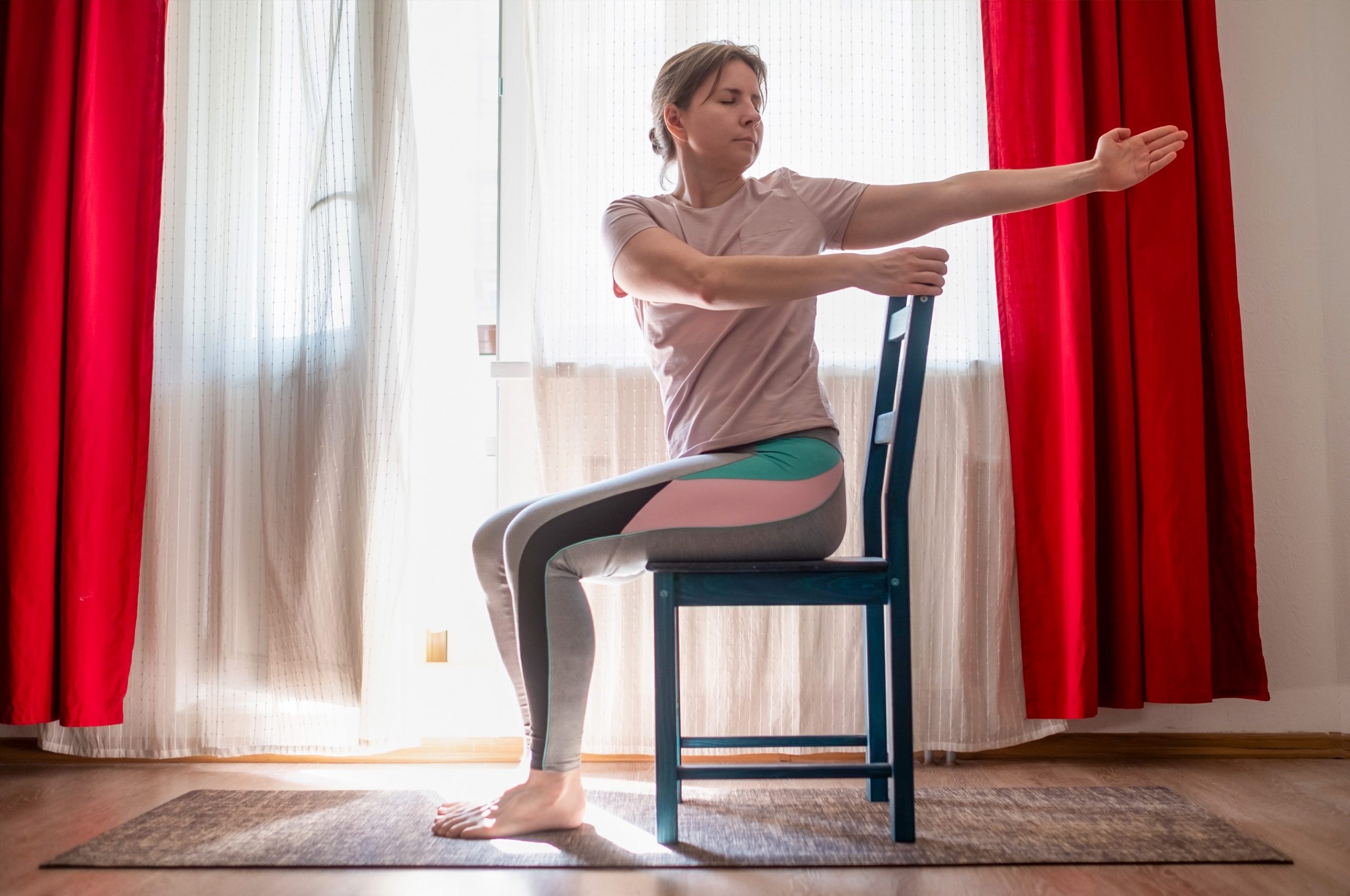
A New Clinical Shift
For years, yoga was primarily viewed as a practice focused on flexibility, balance, and stress relief rather than a medical intervention. Today, this perception is rapidly changing as clinical research increasingly recognizes yoga as an evidence-supported approach to improving bone density, joint health, and musculoskeletal function. At the core of this shift is the understanding that movement, when structured correctly, can function as medicine.
Bone Health and Scientific Evidence
Research suggests that regular yoga practice can improve bone mineral density in critical regions such as the spine, hips, and femur, which are most vulnerable to age-related degeneration. A landmark study in Topics in Geriatric Rehabilitation found that consistent daily yoga practice over several years produced measurable improvements in bone strength and in some cases slowed or partially reversed bone loss. This occurs through controlled mechanical stress that stimulates osteoblast activity, the cells responsible for forming new bone, strengthening the skeleton without high-impact strain.
Joint Function and Mobility
Yoga also supports joint health by improving synovial fluid circulation, which reduces stiffness and enhances movement. Patients with osteoarthritis and rheumatoid arthritis often report reduced pain, improved flexibility, and better range of motion after structured practice. Strengthening surrounding muscles also helps distribute load more evenly across joints, reducing long-term wear and improving stability.
Fall Prevention and Balance
One of yoga’s most important clinical benefits is fall prevention. In older adults, fractures are often caused not only by weak bones but by loss of balance and coordination. Yoga improves proprioception, the body’s awareness of position and movement, while strengthening core and lower limb muscles. Research from the University of Oregon shows up to a 35 percent reduction in fall incidence among older adults practicing structured yoga programs over six months. This is critical given the high mortality risk associated with hip fractures in elderly populations.
Stress, Inflammation, and Bone Biology
Chronic inflammation and elevated cortisol levels are strongly linked to bone loss. Yoga has been shown to reduce cortisol and inflammatory markers such as interleukin-6 and C-reactive protein. This suggests yoga supports bone health not only mechanically but also through hormonal and immune regulation, creating a dual pathway of benefit.
Clinical Integration in Healthcare
Healthcare providers are increasingly integrating yoga into musculoskeletal treatment plans. At Shri Bone & Joint clinic and Shri Wellness in Chennai, structured therapeutic yoga sessions are designed for patients with osteoporosis, arthritis, and post-surgical recovery needs. These programs combine weight-bearing poses, balance training, mobility work, and breath-based relaxation techniques under clinical supervision.
Who Can Benefit and Conclusion
Patients with osteoporosis, osteopenia, arthritis, post-operative conditions, or fracture risk may benefit from guided yoga programs with medical approval. While not a replacement for conventional treatment, yoga represents a preventive and supportive tool in modern medicine. As evidence grows, it is becoming clear that preserving bone health is not only about treating disease but about encouraging consistent, intelligent movement throughout life. Yoga is now moving from the periphery of healthcare into its practical foundation.
Overall, yoga is increasingly being recognized as a preventive and therapeutic tool that complements modern orthopaedic care. Its benefits extend beyond flexibility, influencing bone strength, joint stability, balance, and systemic inflammation. As healthcare systems move toward integrative models, practices like yoga offer accessible, low-risk, and evidence-informed support for long-term musculoskeletal health and improved quality of life for diverse patient populations. This reflects a broader shift in healthcare toward prevention, patient education, and movement-based therapeutic strategies across disciplines in modern clinical practice.

-By Dr. Shriram Krishnamoorthy, Orthopaedic Surgeon. He is associated with MGM Malar Hospital, where he continues to offer comprehensive orthopaedic care.