

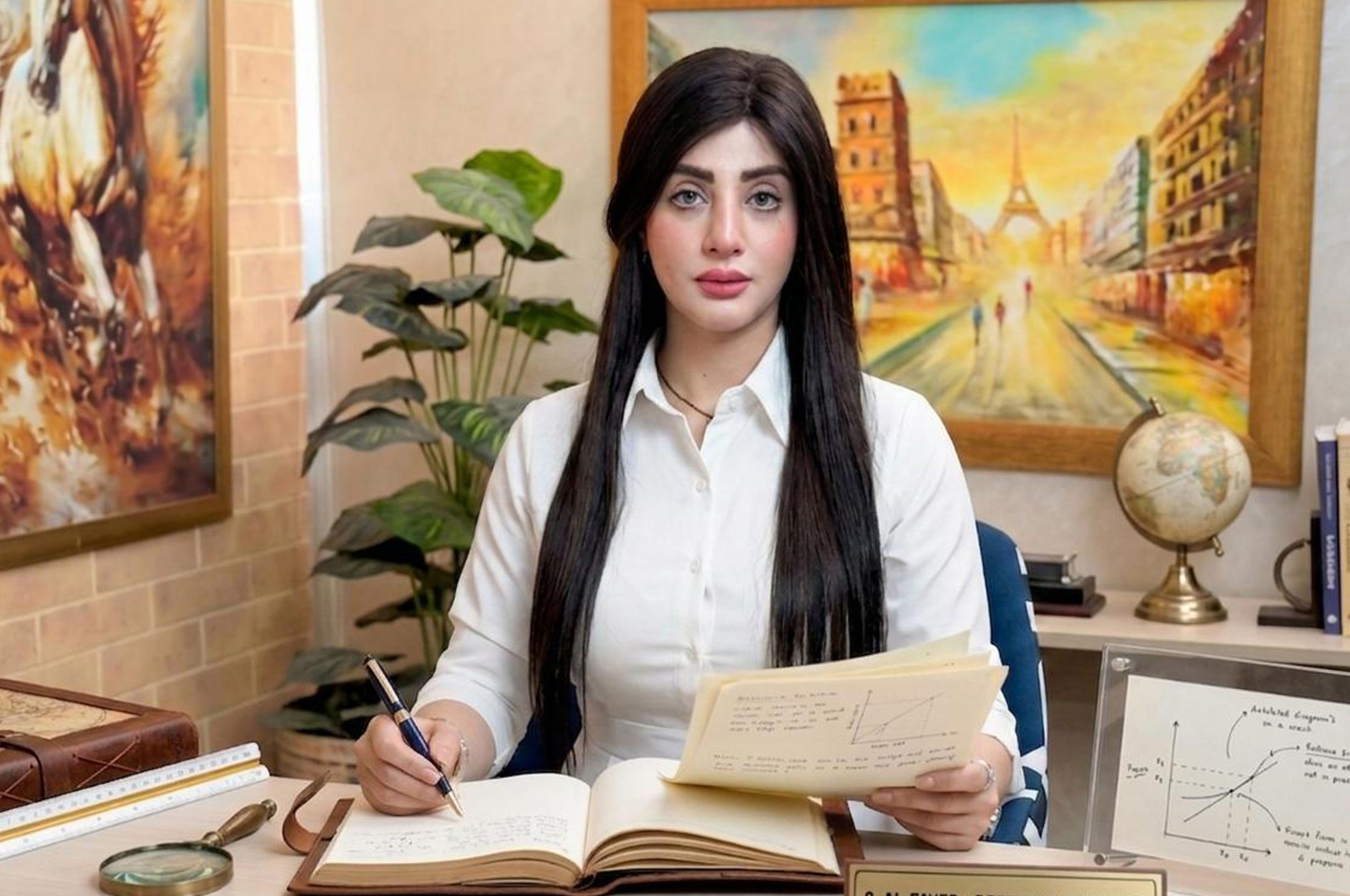
For Fariha, what began as a fun podcast turned into a virtual whirlwind of hostility, criticism, and unprecedented social media fame – everything that she today embraces gracefully to fuel her ambitions of strategic communication, cultural diplomacy, tourism promotion and global dialogue. A bold, feminist voice that keeps things direct and uncomfortably relatable – this is Fariha’s first exclusive interview to the people of India – one that explores the serious side of the stylish diva – a journalist, TV presenter, columnist and today, a global voice of reason and sanity:
You have become a social media sensation in India, Pakistan and around the globe. How is the feeling and what do you think about the power of social media today?
Honestly, it still feels unreal sometimes. One clip suddenly crosses borders and now people sitting in Pakistan, India, Central Asia, Gulf countries and beyond are discussing your personality, your opinions and your content.
That is the power of social media today. It has changed communication completely. Today, one conversation can reach millions within hours and create discussions across different countries and cultures.
I think people connect most when they feel honesty and emotion in somebody’s communication. Whether people agree or disagree, they appreciate confidence and authenticity. And social media today is much bigger than entertainment. It has become influence, cultural connection, public diplomacy and global communication altogether.
Your popularity has come with its share of trolling, negativity, harsh criticism and a lot of senseless propaganda. You’ve had to publicly post a legal notice. Are people finally looking beyond the humour and focusing on your core message?
Initially, people focused mostly on the humour and viral side of the clips. A lot of videos were taken out of context, exaggerated or turned into memes. But over time, many people started understanding there was an actual social commentary behind the conversations. And honestly, brutal trolling affects you mentally, especially as a woman in the public eye.
People do not only criticise your opinions. Sometimes they target your personality, your appearance and your dignity as well. Constant scrutiny can become emotionally exhausting for anyone. There were moments where it genuinely became psychologically heavy because at the end of the day, I am human before I am viral. But I also believe difficult experiences build emotional resilience.
The legal notice became necessary because criticism is acceptable, but defamation, impersonation and organised targeting should never become normalised. At the same time, I think audiences are now gradually looking beyond the humour and listening to the actual message underneath it.
After your newfound popularity, do you believe the world will now take your views on global geopolitics more seriously?
I think visibility naturally creates more opportunities for dialogue and collaboration internationally.
To be fair, my interest in geopolitics, defence analysis, strategic affairs and regional security existed long before virality happened. The difference now is simply that more people are listening. And I genuinely believe younger audiences want geopolitical conversations to feel more accessible and relatable instead of overly technical and disconnected from ordinary people.
I also think women need stronger representation in strategic and defence discussions globally. Women should be equally visible in conversations related to diplomacy, security and international affairs.
I would genuinely love to work internationally in areas connected to infotainment, strategic communication, cultural diplomacy, tourism promotion and global dialogue because media personalities today can help create stronger understanding between societies.
How does it feel to be the strong, independent voice of the region? I’m sure it hasn’t been easy getting to where you’ve reached. What have been your biggest hurdles?
The biggest hurdle is emotional survival under constant public visibility.
People romanticise virality until millions begin discussing your appearance, personality, voice and opinions every single day. Especially for women, confidence itself often becomes heavily scrutinised. And yes, there were moments where the trolling affected me mentally and emotionally. I am not going to pretend otherwise. Constant negativity can become exhausting.
I think this entire experience made me emotionally stronger, intellectually sharper and more aware of how deeply media narratives shape societies globally.
And honestly, I want my platform to evolve into something constructive eventually — conversations about geopolitics, women empowerment, global peace, culture, tourism and regional understanding, because I genuinely believe women should not only exist in entertainment spaces. Women should also be visible in diplomacy, strategic affairs and international discussions.
You ruffled some feathers with your views on democracy vs dictatorship. What is your real viewpoint?
I think every country has different realities and historical experiences, so these conversations should always be approached carefully and thoughtfully. But one thing is clear — ordinary people everywhere want stability, dignity, economic opportunity and peace. I believe the real focus should always remain on governance, institutional strength, development and public welfare.
And honestly, long-term peace and stability can only happen through dialogue, maturity and responsible leadership.
Feminism, fearlessness and independence are often criticised. Have you felt the need to tone down your opinions ever?
I believe confidence and independence should never be viewed negatively in women. At the same time, I also believe strength and respect can exist together. You can be fearless while still respecting cultures, traditions and people.
I want more women to realise they can confidently speak about geopolitics, media, diplomacy and global affairs without feeling intimidated.
And yes, women who speak directly are often judged more harshly. That is reality. But eventually you learn not to let public pressure define your personality.
How hilarious is it to see how people have completely missed your point on healthy diet, illogical clothing norms, beauty and vanity? How does it feel when you mentioned how the new-age man is pansy and in response, men are dressing up as women and putting out reels trying to sound like you?
A lot of people reacted emotionally to short clips without fully understanding the larger humour and commentary behind them. But I also take most of it lightly because internet culture today thrives on trends, reactions and parody.
At the end of the day, healthy societies should be able to laugh, debate and discuss ideas openly.
Watching men dress as a woman, put on makeup, nails and act like me is far more than what’s viewed. I don’t want to make a controversial statement, but yes, that’s the power of a woman, she can get things that easily!
Now that the world is looking at your content, what’s your plan for the future? How do you plan to capitalize your popularity and send out meaningful opinions?
I definitely want to evolve beyond virality.
I would genuinely love to work internationally through infotainment, documentaries, cultural storytelling, strategic discussions, tourism collaborations and global media platforms focused on dialogue and human connection.
I believe creators today can play an important role in cultural diplomacy because audiences emotionally connect through personalities and storytelling.
Whether it is India, Central Asia, the Middle East or international platforms, I would genuinely love collaborations connected to culture, tourism, youth engagement, women empowerment and global peace initiatives.
Because honestly, I want to use this visibility to build something meaningful internationally.
Your message to Indians and Pakistanis across the world
People across South Asia share far more similarities than differences. We share culture, emotions, traditions, food, music and history in many ways.
Yes, political tensions and historical complexities exist, but ordinary people should not become trapped in endless digital hostility and negativity. I genuinely believe cultural exchange, tourism, dialogue and youth engagement are extremely important for the future of the region.
And most importantly — think independently, respectfully and globally.
Because societies move forward faster when people communicate, collaborate and understand one another better.
Your humour and wit will hopefully not go away? Do you plan to be fun while putting out serious content?
Of course not. Humour is important because it makes serious conversations more relatable and engaging. If discussions become too formal all the time, audiences disconnect emotionally. I think the strongest communicators are the ones who can make people smile and think at the same time.
So yes, the humour is definitely staying. On that note, here’s wishing Fariha all the best in her vision for women empowerment, knowledge-sharing, collaboration and diplomacy. Will we ever see her slowing down? Oh puhleez, knowing her, she is only getting bolder in her endeavours of eliminating the zeher of negativity from the world, while reaffirming how the subcontinent diet is indeed toxic – something that any nutritionist will instantly agree to. The classy, fashionable nails have made her popular. Now we wait for her to claw her way into this super judgmental world!