

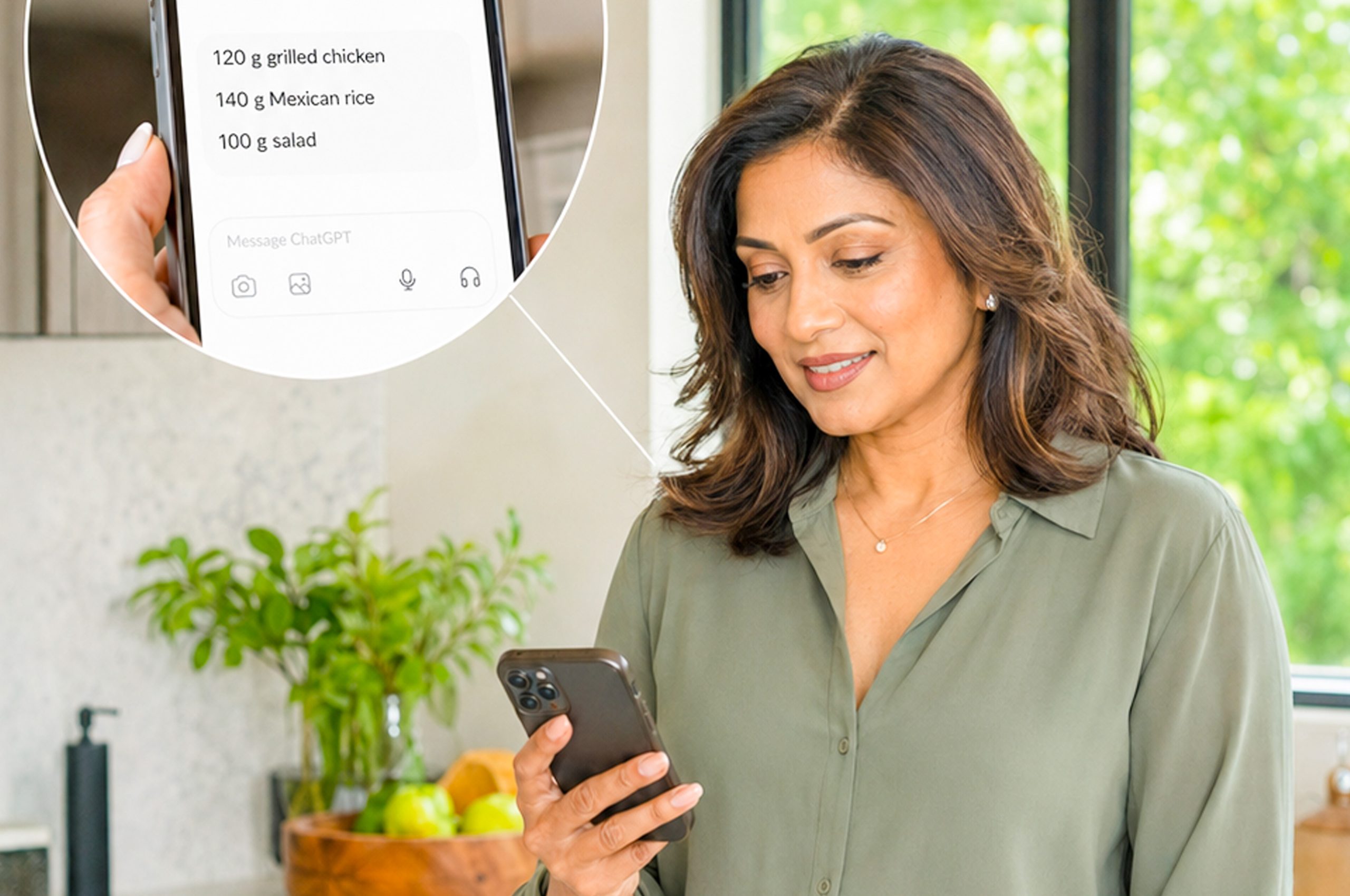
I am a little nervous about this month’s topic because the overuse of AI is a touchy subject at the moment. Aside from what it may do to critical thinking and creativity, I am concerned about its environmental impact, with large data centres potentially consuming up to five million gallons of water a day while also generating severe noise pollution. However, this has never been the space for me to dive deeply into ethics; it is a lifestyle column in which I share musings, recommendations and reflections. We cannot deny that AI is not only here to stay but will pervade every aspect of our lives, so why not discuss how ordinary people can benefit from it?
I have used AI to help me diet, motivate myself to stay on track, streamline my marketing work, plan meals, critique my son’s schoolwork, make customised bingo cards and much more. Please note that I only suggest relying on it this heavily if you are using a paid subscription! The free versions may not give you the same quality of results, so this is one area where it may pay not to be frugal, given the potential benefits.
For my 40th birthday party I had a very specific theme in mind. I took a photograph of the party space and uploaded it along with a prompt describing my slumber-party theme, as well as a few reference images from Pinterest. AI then generated a rendering of the space decorated for the theme. It wasn’t entirely accurate, but it was more than enough to communicate my vision to the decorator, who also found it extremely helpful.
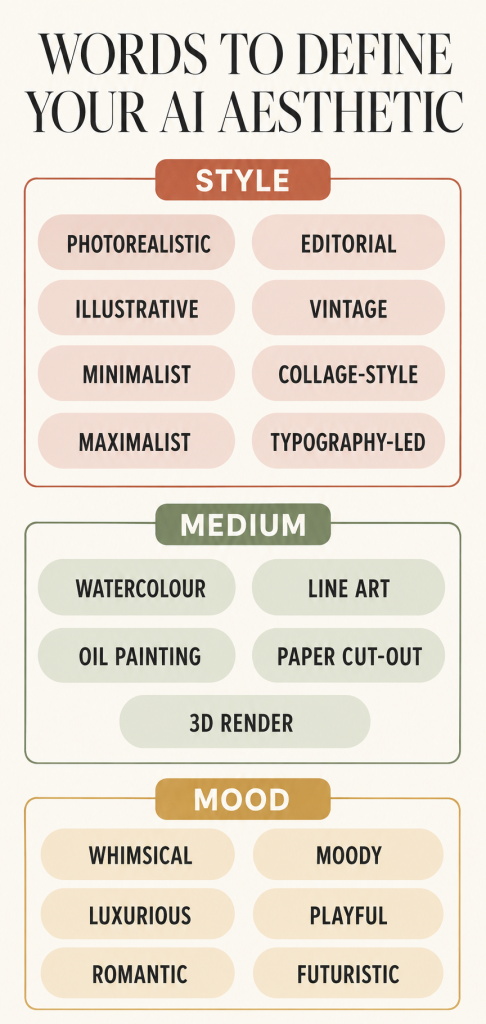
I used it to create the party invitation too, which I know everyone is doing now. However, I wish people would put a little more effort into their prompts so that the output has a distinct aesthetic rather than the standard “AI look”, which has become rather obvious. I used words such as “hand-drawn”, “illustrative” and “high-fashion” to make the invitation fit my theme. Check out the accompanying guide to descriptive words for style, medium and mood that can help you write better prompts.
Moving onto my AI diet – I have technically been trying to lose weight for the past eight years, but I am hoping this milestone birthday (or midlife crisis) will inspire me to make a proper attempt at finally getting there. AI is making it easier than ever before in several ways. First and foremost, I entered as much information about myself as possible so that it had plenty of data to work with: not just my height, weight, age and goals, but also my latest blood reports, exercise regimen, food preferences, the times of day when I become very hungry and tend to veer off course, and so on. It suggested how many calories I should aim for each day to maintain a deficit, guided me on my macros and, of course, produced some lovely meal plans.
Where I found it most useful, however, was in helping me begin meal prepping with whatever I already had in the kitchen. Previously, my dieting mentality was that I first had to undertake a huge grocery haul filled with healthy, exotic ingredients I don’t normally stock (hello, chia seeds) and only then could I begin. I have never had a great instinct for winging it in the kitchen or substituting ingredients on the fly, so I tended to be a slave to recipes, many of which I had to skip because I lacked the necessary supplies.
 This time, I made a list of almost everything in my pantry and fridge that could be used to prepare healthy proteins, carbohydrates and vegetables. The idea was to have some cooked and prepped items ready to heat and serve, and they had to be tasty enough that I actually felt like eating them instead of ordering in. I entered the list into ChatGPT, told it to assume I had other basic staples as well, and asked for recipes based on what was available. It delivered beautifully! The dishes I meal-prepped allowed me to start my diet immediately instead of waiting until I had bought even more groceries.
I don’t like to rely entirely on AI for recipes, however, and am rather addicted to short-form videos by food and fitness influencers. So many of us screenshot the captions or save the posts, but rarely organise them well enough to actually make the recipes. That is why I was thrilled to discover an app called ReciMe, which converts recipe posts and videos into a digital cookbook and can even generate a grocery list from them! This is just one example of the countless little ways in which AI is going to make our lives easier.
Now I know my calorie target, have a fridge stocked with healthy ready-to-eat food, and am tracking my intake using the Cronometer app. (I weigh my food on a kitchen scale for maximum accuracy.) Once I have eaten breakfast and lunch, it can take a little math to work out how much more I can have – math I especially do not want to tackle when late-afternoon hunger strikes! Instead, I send ChatGPT a screenshot of my current Cronometer statistics, showing both calories and macros, and tell it what my options are—for example, overnight oats or cooked rice. It then suggests how many grams I can have of each dish, with a nudge towards whichever may better suit my goals or hunger levels. Removing this decision fatigue is a huge factor in making healthy eating sustainable.
There are endless ways in which this technology can support weight-loss and fitness goals, so let us switch gears to a different arena: helping our children improve their schoolwork. It goes without saying that we must be very careful to avoid the temptation to let AI do the work for them. Teachers around the world are sounding the alarm that students are increasingly unable to read, analyse or write coherently, and that is frightening. Hopefully, we Indians can live up to the stereotype of being hardworking brainiacs and avoid this pitfall through principle and determination!
However, the intelligent and judicious use of AI can help us teach our children more effectively. For example, my son wrote a short story that I had plenty to criticise, but I was struggling to phrase my feedback more diplomatically than, “This is dumb.” I uploaded his story to Gemini, provided the context of his education board and grade, and asked it to assess his writing and explain how he could improve.
It identified his mistakes logically and in a way that both my son and I could understand, without the friction caused by my criticising him too harshly. In my prompt, I instructed it never to provide the answers (aside from the occasional example when useful) but instead to explain what he could do better. This helped him improve his second attempt. During his exams, I also used Gemini to prepare history flashcards and sample problems for maths and science.
My examples are all fairly novice-level. On X, I have seen people using AI agents to comb through every email from their children’s schools and automatically update their calendars with upcoming events. But I know the advice here will be useful to other women my age, and I want to encourage those who are tech-averse to dive in and embrace this technology. Used thoughtfully and responsibly, it can make everyday life considerably easier; and those who refuse to keep up risk being left far, far behind.