

Most people die from heart problems, everywhere on earth. A practice older than written history quietly fights it. Postures joined with breathing and quiet thought ease strain on the body. Blood moves better when tension fades. Pressure inside vessels drops without force. Muscles around the heart grow steady over time. Doctors who study hearts agree they help. Teachers from old traditions say the same.
Tadasana
Feet press down at each corner, one point at a time. Spine stretches upward, quiet but firm. Muscles along the trunk wake up when you stand like this. Breathing drops into the belly, slow and wide. That rhythm nudges the vagus nerve – calming signals travel fast through the body. Heartbeat eases without force. Blood moves easier. Standing still trains attention too. You notice tightness near the ribs, tension around the shoulders. These spots loosen when seen clearly. Awareness grows with repetition. Small shifts add up below the surface. Standing tall lifts the ribcage wide, letting lungs and heart work with extra space. As days pass, the heartbeat quiets at rest – one clear sign the system runs smoother.
Vrikshasana
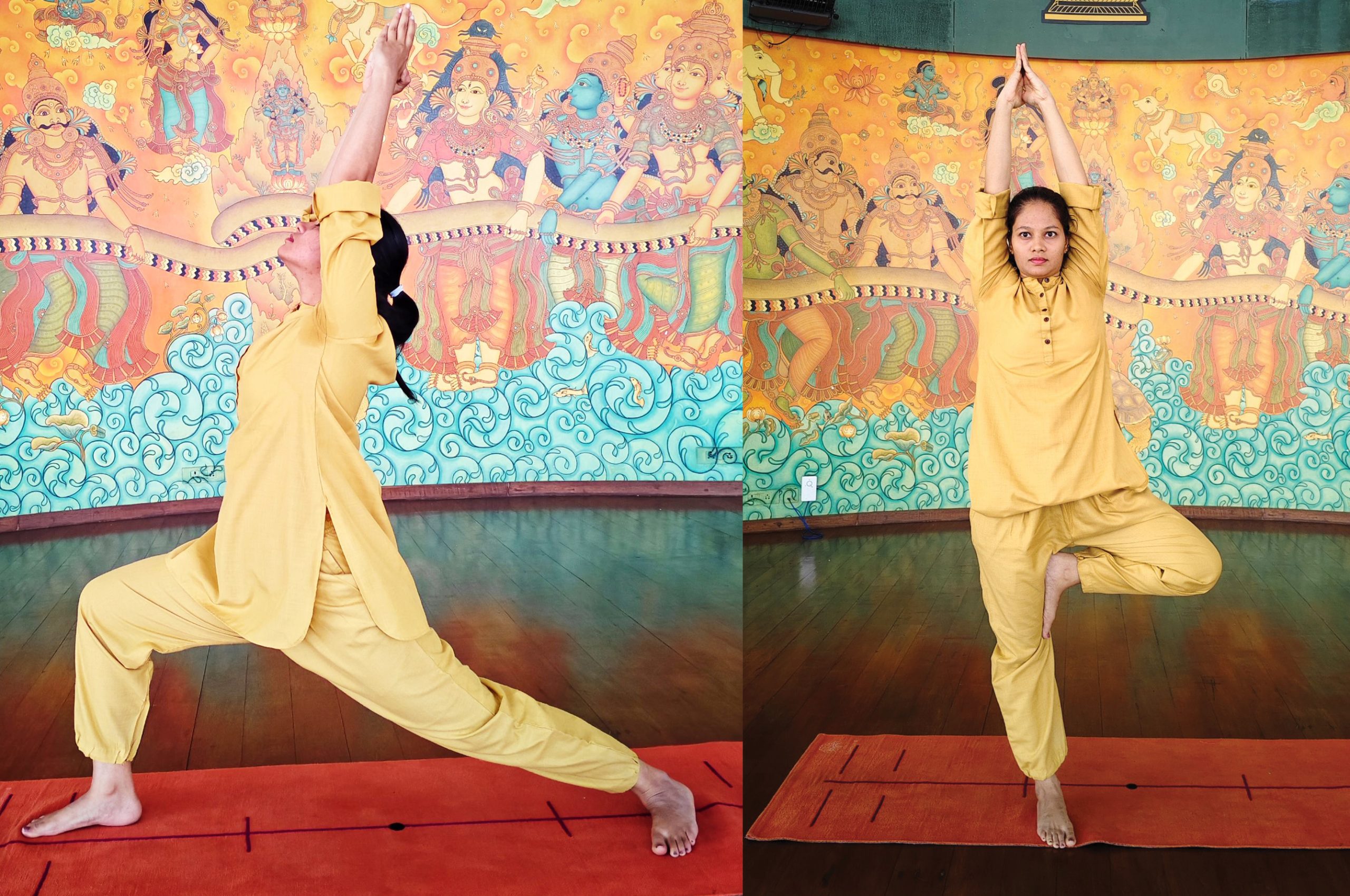
Tree Pose Balancing on One Leg One-leg stands might look like just a test of steadiness, yet the heart gains from Tree Pose go far beneath. Holding the pose steadily pushes the body’s alert and rest modes into rhythm, shifting back and forth. This movement sharpens the heart’s natural control – how fast it reacts to pressure, then calms down after. When balance work includes full attention, heartbeat patterns grow more flexible – a sign tied closely to long-term heart strength. Open hips gently pull apart the inner thighs, a spot where big leg arteries run, helping blood move more freely below. This eases how hard the heart must work to send flow down through the body.
Virabhadrasana
Here comes a pose that gets your blood moving more than most others on the mat. Legs sink low, hips open wide, core tightens up – all while the body works harder, much like it does during steady-paced movement such as brisk walking. Heart beats faster, not from sudden spikes but through steady demand, similar to how muscles grow stronger when challenged over time. That steady push? It shapes the heart too, building endurance slowly, simply by holding ground and breathing through effort. Upward motion with both arms lifts the ribcage, gently pulling open the spaces between ribs. Because of this shift, breathing deepens – each inhale fills more space inside. With fuller lungs at work, the heartbeat slows down over time, doing less labour for the same supply. Evidence points to lasting changes when these poses become routine: blood shows lower levels of stubborn fats linked to heart strain. 30 to 60 seconds on each side should be your target. Three rounds of that amount work well most times. Four through six weekly sessions cover it pretty good. Timing matters less than showing up regularly. Effort adds up when done often enough. Consistency makes the difference here. Repeat this pattern without skipping too much
Janu Sirsasana
Head-to-Knee Forward Bend Downward through the hips, breath slows as spine leans into stillness. When chest meets thigh, belly softens under quiet pressure – blood surges stronger through the main channel feeding the core. Head dips beneath the heartbeat, veins easing fluid skyward without effort. Weight shifts inward, pulse settling like dust after rain. Heavy, ongoing stress along with high cortisol levels harms heart function more than many realize. A calm mind begins to form during Janu Sirsasana, slowing down key stress hormones instead of feeding them. Studies show seated forward bends reduce blood pressure noticeably even following one practice.
Dhanurasana
Back curving up, legs rising along with chin, Dhanurasana opens the front like few others here. Chest lifts while thighs rise too, pulling across belly, ribs, even the covering of the heart. The stretch reaches into tight spaces, loosening what daily slumping locks down. Spine bending backward eases pressure where breathing often feels stuck. Each lift gives space where stiffness once held firm.
Back in Dhanurasana sways gently, pressing inside the belly like a quiet rub that wakes up digestive parts while touching the adrenals in a manner that somehow calms stress over time. Heart research often points at bends of the spine when explaining better artery stretchiness, less hardening – something tightly linked to keeping blood paths clear.
Recommended weekly practice at a glance
Start your day with 30 to 40 minutes of activity, four to six mornings each week. Empty stomach? That works best. Stick with it. In about six or seven weeks, changes begin showing up. Effort matters more than speed. If you have heart issues, high blood pressure, or recently had a cardiac event, get advice from your cardiologist prior to starting or deepening yoga. Begin slowly, using mild poses and brief sessions, letting time and repetition guide progress. These movements work better when matched with breath techniques like Anulom Vilom – this kind of breathing boosts heart-related gains noticeably.
Quiet moments matter most when it comes to listening within. Five postures here do more than stretch – each becomes a quiet talk shared among thought, air, and pulse. Move through them awake, presence builds slowly. In return, something stirs softly beneath the ribs.
-Dr Narendra K Shetty is the Chief Wellness Officer, Kshemavana Naturopathy and Yoga Center, Mahadevapura, Bengaluru. Kshemavana, part of SDM institutes, is a wellness sanctuary dedicated to fostering lifestyle changes through personalised paths to healthy living, through naturopathy and yoga. Asanas here are showcased by Tejas T, Yoga therapist, Kshemavana Naturopathy and Yoga Center.