

Aer, the rooftop lounge bar of Four Seasons, Mumbai, located on the 34th floor, is popular for its sunset views, while being scantily populated later into the evening. But on one random Friday night, it was overflowing with people, mostly from cities like Bangalore, Chennai, Hyderabad and Delhi – most of them dressed in grungy black t-shirts, sporting long hair, tattoos and an unmistakable rock music energy. The reason?
Four Seasons is the closest hotel property to Mahalaxmi Racecourse, one of the largest live concert venues in Mumbai. This was the penultimate day to the Guns N’ Roses concert a few months back. The entire hotel lobby, and its bars turned into rock reunion spots with school friends bumping into each other, groups of music lovers socializing, sharing anecdotes – basically a jamboree of music lovers, all flown in to witness Guns N’ Roses live in concert. Now, let’s put this in context.
Cross-generation fandom
Over the last 18 months, more than 600,000 people have travelled across India to experience live music concerts in India, and there’s still more than half a year to follow. Last year’s Coldplay concert attracted 225,000 odd music lovers making a beeline to Ahmedabad, to a concert that perhaps became the flagbearer of modern live concerts in India. In 2026, more than 34,000 live gigs – big and small — are expected to blanket the entire country.
Old-timer rock enthusiast, bass guitarist and DJ, Praful Menon traces back the roller coaster ride of live gigs in India. “Back in the days, we had every big rock band tour India, but over time, the single big event management brand found it unviable to sustain this. In the meantime, the world moved towards electronic music. While rock purists held their ground, landmark venues like Styx and Purple Haze shutting down didn’t help much.
Today, there are a lot of concerts happening, and I’m pleasantly surprised to witness massive turnouts, even for a niche band like Dream Theater”. Speaking about the turbulent Indie rock band scene, he said, “Many homegrown bands were ahead of their time. They had very impressive original tracks that did not get the platform they deserve. Another wave of Indie bands kept pushing covers, and audiences got used to listening to the same popular 20 tracks over and over again. This pushed original music against the wall”. Praful was a key member of Millennium, one of India’s first metal bands, formed in 1988. Today, he hosts packed crowds of rock and metal enthusiasts every Thursday in a quaint neighbourhood bar in Bangalore called Dolphins. “It’s heartening to see the youngsters making a comeback and enquiring about tracks like ‘cats in the cradle’ by Ugly Kid Joe, when I squeeze it between popular tracks. The new generation is receptive, and that’s a good sign”.
The writing on the wall is clear – India is experiencing a revival of live music concerts, and the multiple facets of this phenomenon are exciting for music lovers across generations.
Redefining a culture of live music
For decades, Bangalore was the epicentre of live music in India, with Palace Grounds hosting everyone from Sting to Bryan Adams to Iron Maiden and everything in between. Back then, there was one big event management outfit, and it was only a matter of time before Palace Grounds lost its sheen and started getting rented out for fancy weddings and craft exhibitions.
Today, the city has a fistful of concert venues across the length and breadth of the city – one in a prominent mall, another in the outskirts on the highway, and a couple nestled between these two. Metro rides in the city that once echoed maniacal victory chants from Royal Challengers Bangalore fans on a match day, are replaced by thousands of rock fans who have their unofficial after-parties in the metro even before they reach back to central Bangalore.
This was evident after the recent Dream Theater and Def Leppard shows. Goa-based entrepreneur and rock enthusiast Vaibhav Sharma considers Bangalore his second home for now, having travelled to the city for Mr. Big, Dream Theater, and Def Leppard – all in a span of a few months. He says, “For me, this all started off in 2007, when Iron maiden played in Bangalore, and a bunch of us made the trip down like it was a pilgrimage. Since then, I’ve made trips to Mumbai too for quite a few gigs, managed to pack in concerts on vacations abroad, and still keep finding myself in Bangalore every few months. There seemed to be a lull for some time (Covid didn’t help. But I’m so happy there are more gigs than ever now.” Live music is truly back in the air, and with old-timers coming to India, the roster looks pretty impressive. Vaibhav adds, “It’s absolutely crazy, all these old greats – the legends – back on the road for one final hurrah, and this time, it’s good to have India on the touring map. For someone who grew up watching MTV in the early 90s, this is a dream come true”.
Unlocking a dancefloor community
Let’s look at Mumbai – Mahalaxmi Racecourse is the clear favourite – with its outdoor grounds hosting large-scale gigs, while the SVP Dome across the road, makes it ideal for indoor DJ gigs. The recent Eric Prydz concert brought together decade-old fans of electronic music from across the country to witness probably the best stage acoustics and lighting the country has ever seen. With tracks like ‘Call on Me’ echoing in the heads of EDM fans for weeks to follow, there is more to come, such as Scottish DJ Calvin Harris.
Peony Hirwani wrote in Rolling Stone India about the Eric Prydz gig: “He is not an artist who plays everywhere. His fear of flying influences the way he tours, often restricting appearances to carefully chosen routes and clusters of shows. That selectiveness has become part of his reputation: when he does turn up, it carries weight. Mumbai was on the receiving end of that rare alignment”. The city also witnessed Keinemusik from Germany. Their unique blend of melodic afro house and techno saw a packed house with thousands of happy faces from across the country creating EDM memories for a long time to come.
Other cities in India – big and small – are witnessing a new culture of live gigs, putting them into the weekend plans of millennials and Gen-Zs – a pleasant departure from movie and club nights. Concert and chill – the new mantra!
Homegrown talent jumping into the bandwagon
Homegrown singers, songwriters and rappers have jumped into the live concert bandwagon, often targeting smaller towns while hosting mammoth concerts in big cities. Karan Aujla has been extensively touring Ludhiana and Jaipur, among other big cities, while Yo Yo Honey Singh is currently in the middle of his My Story – India Chapter tour across Pune, Kota, Indore, Lucknow, Kolkata among other cities. Armaan Malik, Javed Ali, Parvaaz, AR Rahman, Anirudh Ravichander – the 2026 list of desi music concerts in India is mind-boggling. From Bollywood to pop to rap to Indie music, there’s a gig for everyone everywhere, every weekend of the year.
Music festivals vs. Solo Gigs
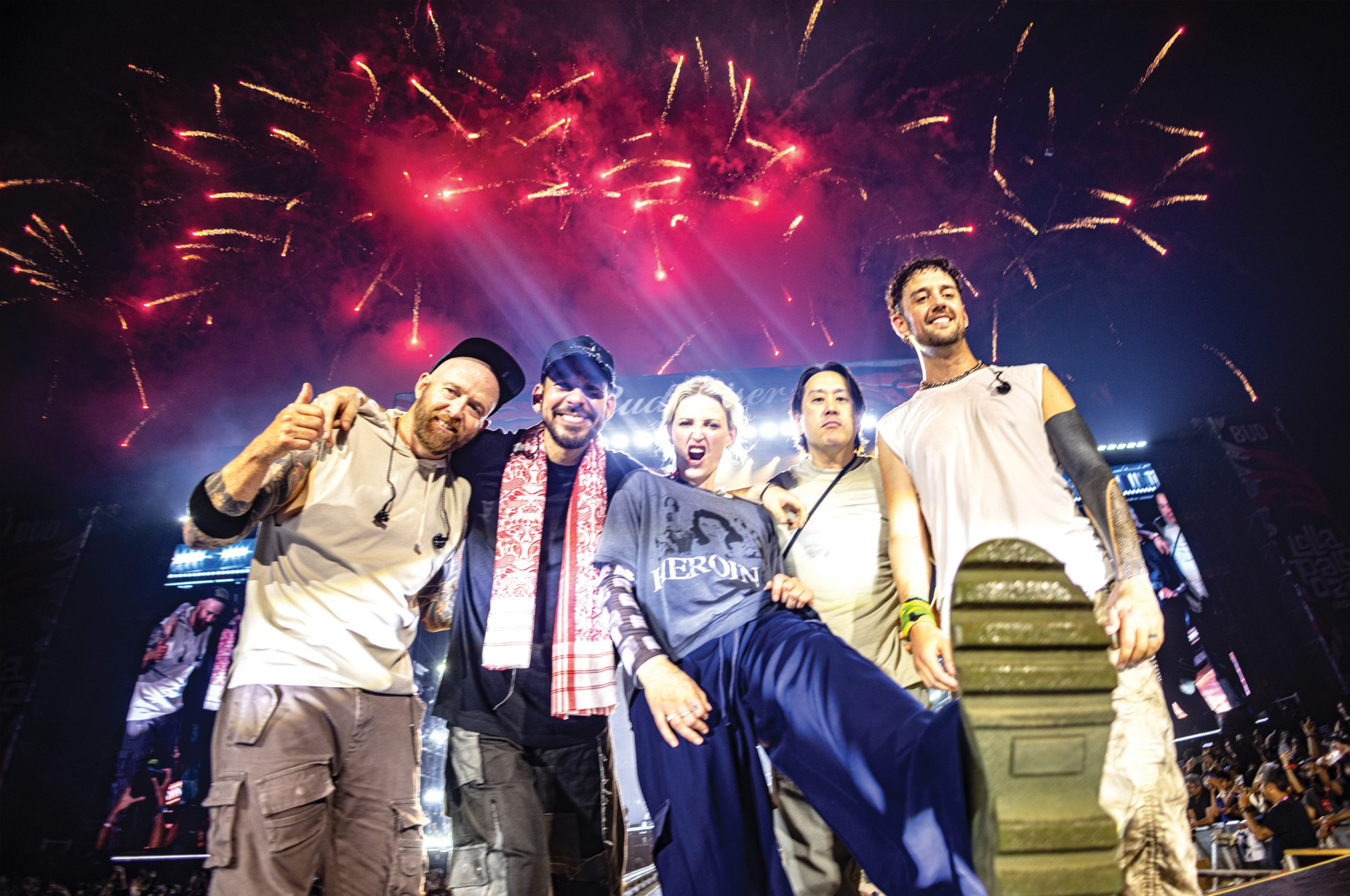
On one hand, there are solo gig tours from bands like Blue, Michael Learns to Rock, rock and metal giants from across the world, and then there are music festivals that bring together an exhaustive lineup of artists, offering an entire day or two’s escape into the world of music and surrealism. Back in the 1990’s, events like Freedom Jam brought together Indie rock, blues and metal talent to create a 2-day mosh pit of music. The first major gigs of Thermal and a Quarter, Indus Creed and Motherjane were in farmhouses on the outskirts of Bangalore and Chennai. One fine summer, Nikhil Chinappa decided to introduce the concept of EDM music festivals in India – and curated Sunburn, which went on to become the biggest year-end dance music festival in Goa, pumping people, money and popularity into the beach town for an entire week leading to New Year’s Eve. Soon, smaller Sunburn pop-ups started featuring in other cities, and the festival itself brought an impressive plethora of EDM DJs from across the world, practically every artist from the year’s top 20 dance charts. Next step – Lollapalooza, the world’s biggest multi-genre music festival, makes its way to India. Over the years, the festival has features performances by Linkin Park, Green Day, Yungblood, Karsh Kale, rubbing shoulders with edgy coming music talent from across the country. Lolla has gone on to become the biggest music and lifestyle event of recent times.
As Lolla enthusiast and writer Shikha Pandey puts it, “Me and my friends wait for Lolla every year. Of course, the music is great, but the entire pre-event ritual of choosing outfits, figuring out which artists to not miss, curating the right gang for the event, travelling together… it’s a wholesome experience and we love thinking and planning for it weeks in advance”.
Programs like Echoes of Earth take the concert experience a step forward by blending sustainability and featuring eco-friendly art installations, recycled products, vegan food – the whole nine yards of sustainability packaged into a live music fest. Goa is attracting jazz music lovers as well as psytrance enthusiasts around the year with regular theme-based festivals and hilltop meetups like Sunsplash, Spirit of Goa festival, International Jazz Music festival among others.
Fostering an all-compassing music culture
One of the fundamental reasons for the sudden transformation and onslaught of live gigs in India is the efforts from the other side – artist management and event organizing, that is truly easing conversations between artists and gigs and the audience. For instance, event curation company E365 is currently building the world’s first AI-native orange economy operating system designed to empower the fan, concert, content, experiential and creator economies with a focus on lifelong, co-owned sustainability. In simpler words, this means events will become more D2C (Direct-to Consumer), and middleman layers will disappear, unlocking better fan experiences and increased industry transparency.
Speaking exclusively to Provoke Lifestyle, Kinjal Bhattacharya, Founder & CEO, E365 group said, “Art and entertainment are getting democratized, fans have started paying for live experiences and digital content both. All of us are in the threshold of very exciting times for the orange economy.
Concerts are getting sold out, and independent artists are becoming superstars without singing movie songs. In fact, regional content is growing faster than Bollywood”. Kinjal is optimistic and has ambitious plans for the future. He said, “Indie music is going through best times in India. With blockchain, cryptocurrency and NFT, we are looking at a paradigm shift to how the entire world consumes art and entertainment. We are building the future of our business on the convergence of this opportunity. The agenda is to bring trust and transparency to the ecosystem and long-term sustainability for all stakeholders”.
Indeed, good times ahead for the events industry and that simply means more live shows and better fan experiences in the times to come. For now, we can safely say that the
scene is Def-ening, with all guns (& roses) blazing, sprinkled with Honey (Singh) on top, as Michael relearns to rock!