

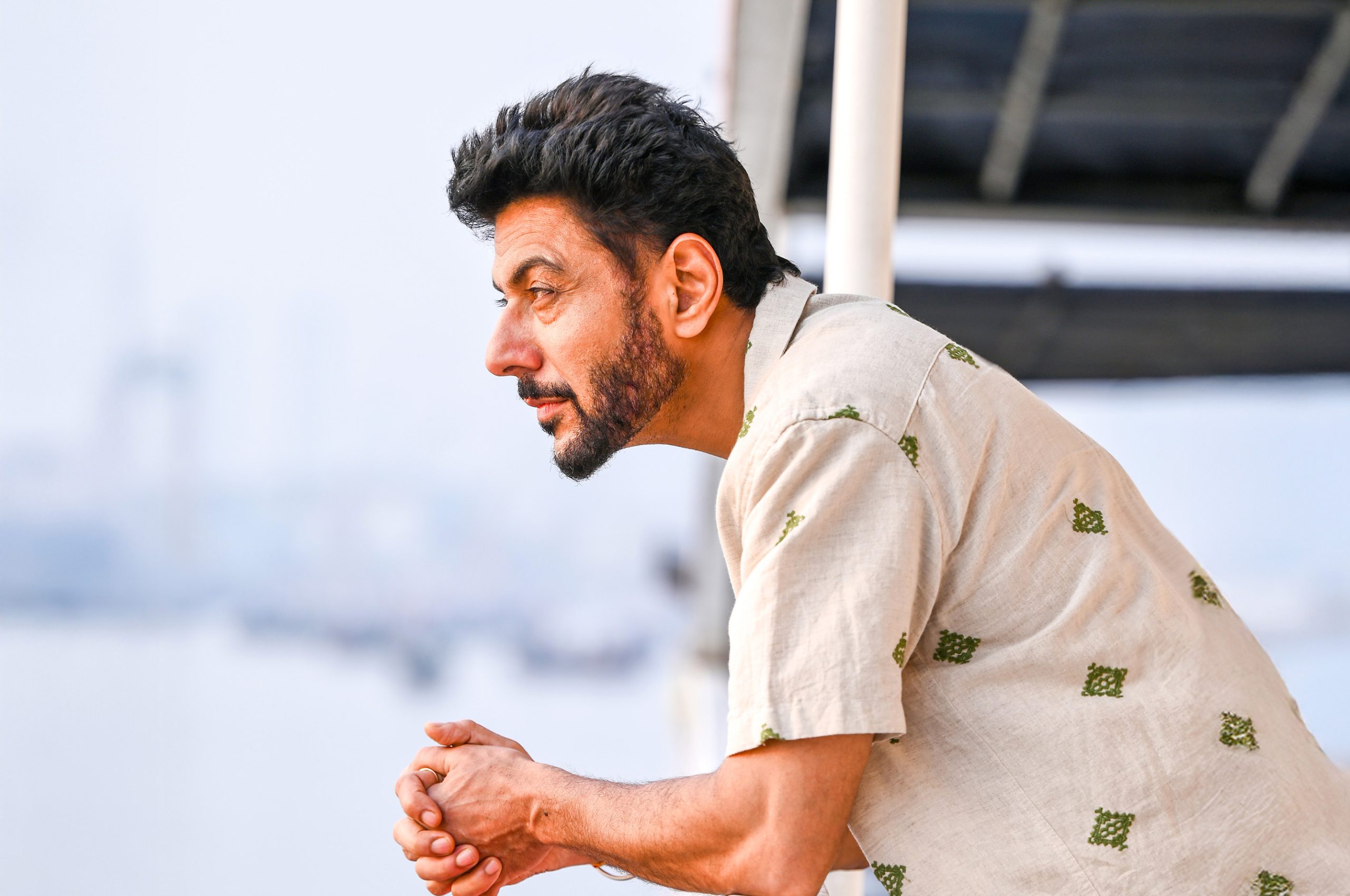
Chef Ranveer Brar’s culinary genius is only part of his story. The celebrated chef, television personality, and trendsetter in the food industry is equally admired for his charm and lifestyle. With restaurants across India, overseas, and even on the seas, his popularity on television is matched by a massive digital following. He pioneered India’s first Twitter video show, Ranveer On The Road, and during the 2020 lockdown, kept audiences inspired with innovative cooking and talk shows that became instant hits. Beyond the kitchen, he partnered with organizations to support daily wagers and farmers, spearheading campaigns like #BringThemBack with NASVI to revive street food vendors. As an ambassador for millets and sustainable cooking with WWF and FICCI, he continues to champion mindful gastronomy. Exploring his artistic side, Ranveer made his OTT debut in Modern Love, Mumbai (2022), earning critical acclaim, and has already shot for his Bollywood debut, Buckingham Murders. We caught up with the globally acclaimed chef at the launch of Philips One Chef, to spill the beans on what makes him tick.
How do you balance authenticity with innovation when reimagining Indian cuisine?
I think being as honest and as respectful to the original, and understanding that innovation is a personal choice.
One underrated Indian ingredient you wish should get global recognition?
Nachni, which is also finger millet or ragi. I think we talk about Quinoa, we don’t talk about our millets as much.
If you had to introduce Indian cuisine to someone who’s new to the cuisine, what are some key dishes that you would like to introduce to them?
I think I’d give them a good Dal Makhani. And I would also give them a good biryani.
From professional kitchens to becoming a household and a global name, how has that transition shaped you?
Being surrounded by great mentors, being surrounded by people who sort of selflessly taught you has been the most important aspect for me. Those are the building blocks that you don’t normally see when you see the finished product.
What kind of food stories do you think are still missing from the mainstream media?
Small, hyperlocal, hyper regional, food conservation stories. Chote chote kisaan (farmers), chote chote gaon mein (villages), who are trying to conserve Rice varieties. Those people who are making small efforts in culinary conservation are the food stories that need to come out.
You’ve travelled extensively, what’s one place that changed your perspective on food completely?
Many places, but if I were to name two then I think Kashmir. And also, for sure, Kolkata.
Is there a street food experience that left a lasting impact on you?
Surat.
Which global cuisine do you feel has the most similarities with Indian food?
Italian and Mexican cuisines. They’re very home style and I feel quite similar to the way we cook.
Looking back, what was your biggest turning point as a chef?
I would say failure. My failure in Boston.
How did you overcome it?
People around me helped me to overcome it. I really didn’t do much. They’re the ones who supported me to believe in myself.
What advice would you give to young chefs who want both creative satisfaction and commercial success?
Don’t give up. Don’t everygive up despite all failures. It’s a game of persistence.