


Flip phones are the new cool. In various minimalistic phone factors, flips are now created to maximise social media and video viewing experiences while ensuring that they are stylish and flaunt-worthy. However, the current breed of flip phones is actually a natural progression not of the candy bar form factor, but a forgotten generation of archaic flip phones that made its first appearance as early as 1989.
Moto-ring a revolution
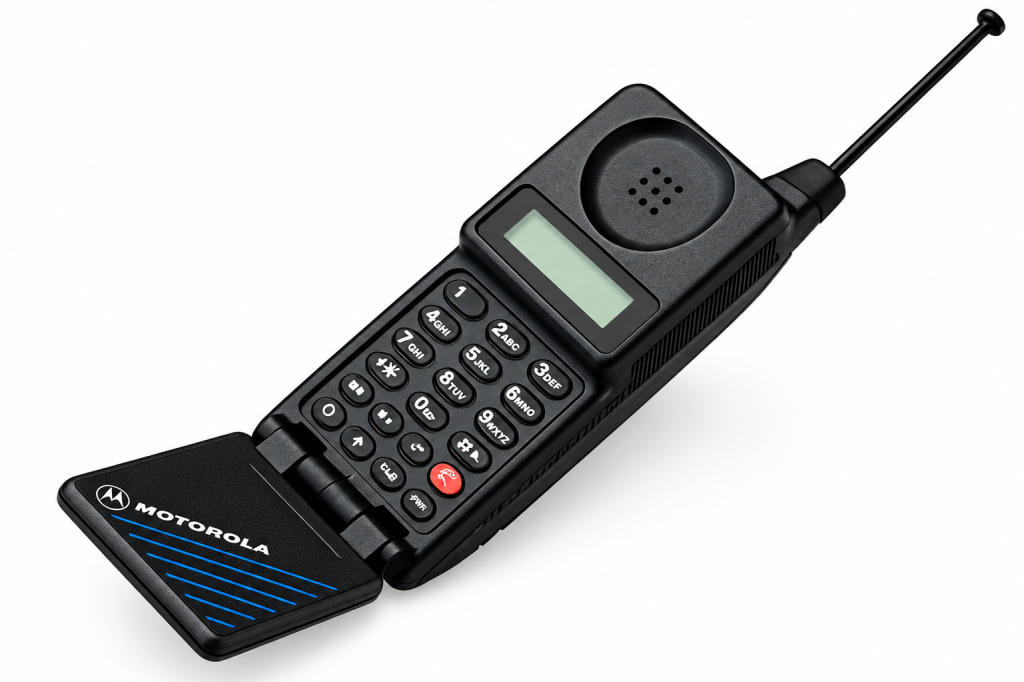
The first ever flip phone in the world was launched on April 25, 1989 by Motorola. It was christened the MicroTAC 9800X – sporting a folding plastic flap covering the lower part of the analogue keypad. Back then, users around the world associated larger expandable mouthpieces with better antenna reception, so Motorola decided to have a new variant that featured a fake pull-up antenna, just to give users the illusion that the device could catch better reception once the antenna was pulled out and exposed. This trickery went on till 1996, when Motorola launched its 2nd generation flip device – the Motorola StarTAC. These devices came with a removable 6V Nickel-Cadmium (NiCd) battery pack with a capacity of around 900mAh, and additionally offered expandable battery sizes that could be plugged in. Depending on the battery unit, the size and weight of the unit would change.
At the turn of the decade, Motorola made a stylish comeback. In the meantime, the 2000 to 2008 period – the golden era of 1st generation mobile phones started to use polyphonic and musical ringtones, colour displays, and VGA cameras. Of course, most of them were still analogue and touchscreens were unheard of. During this time, Motorola released the RAZR V3, which went on to become a pop icon device in 2004. The concept of closing the phone snap shut by closing the magnetic flip became a rage! The super slim form factor was an added advantage. It went on to sell 130 million units across the world making it one of the highest-selling device variants of all times. Weighing just 95 grams, it came with a tiny 680 mAh Li-ion battery. The overwhelming response to this device encouraged Motorola to create a 2019 comeback with an entire range of RAZR devices with OLED screens. But the intervening years tells an interesting story.
A touch-and-go generation
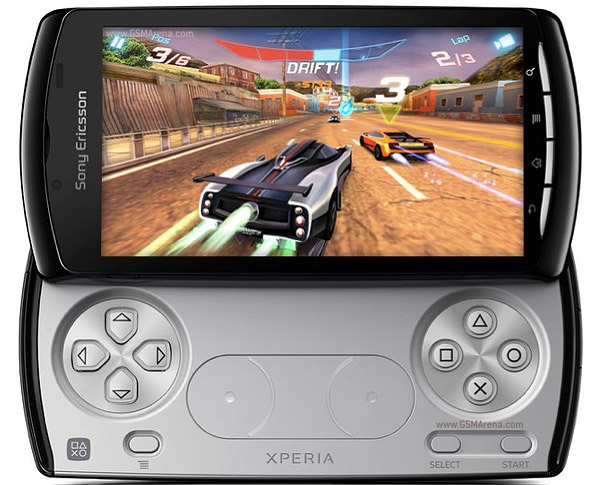
2009 to 2018 saw the rise of touchscreens that completely disrupted the keypad mobile market, and along came colour displays and double-sided cameras, with full blown musical ringtones and gaming capabilities. Somewhere in this race to maximize touchscreen device performance, the flip mobiles remained the unwanted child – one that only catered to senior citizens or as backup devices for heavy-duty trekkers. Until 2019 when Samsung decided to change the game!
Flipping the game
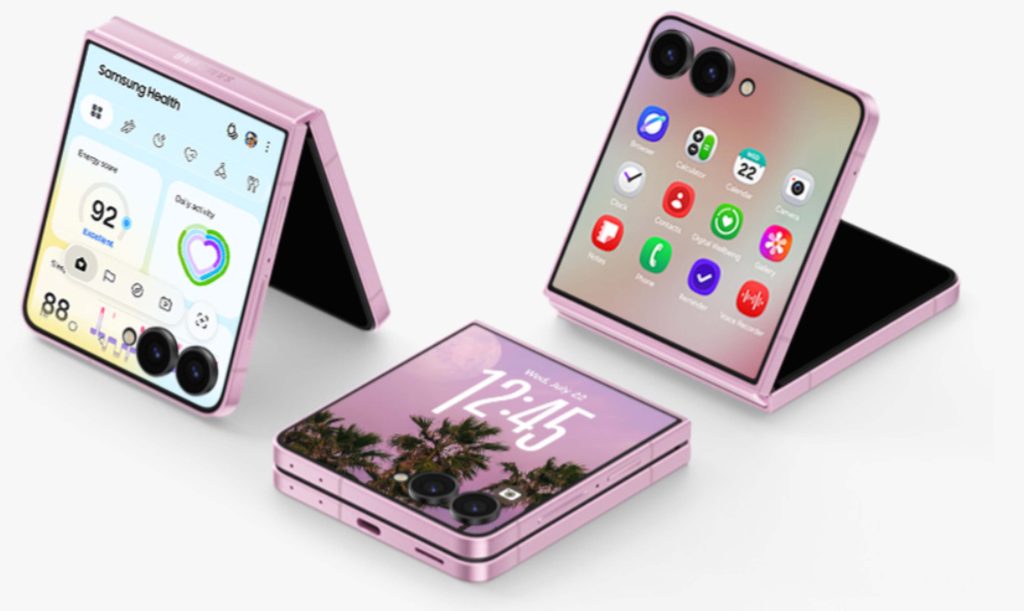
In 2020, Samsung introduced what it called “a premier line of clamshell foldable smartphones”. The first model in the series was the much-resisted Galaxy Z Flip and it took three generations across three years for people to warm up to a flip smartphone, before the Z Flip 3 became a huge commercial success. Today, Samsung is in its 6th generation of the Z Flip. The first model featured a miniscule 1.1-inch mini capsule cover display which has today evolved into a 4.1 inch fully functional FlexWindow that is AI-enabled, intelligent and multi-functional. The 12 MP camera has advanced to a 50 MP professional camera and the 7.2 mm form factor has morphed into a 6.11 mm device. The latest variant has an edge-to-edge display that features full widgets, notifications, and app access, while being optimized for low-light photography, enhanced battery life, and gaming panache.
Bite the Apple and flip it
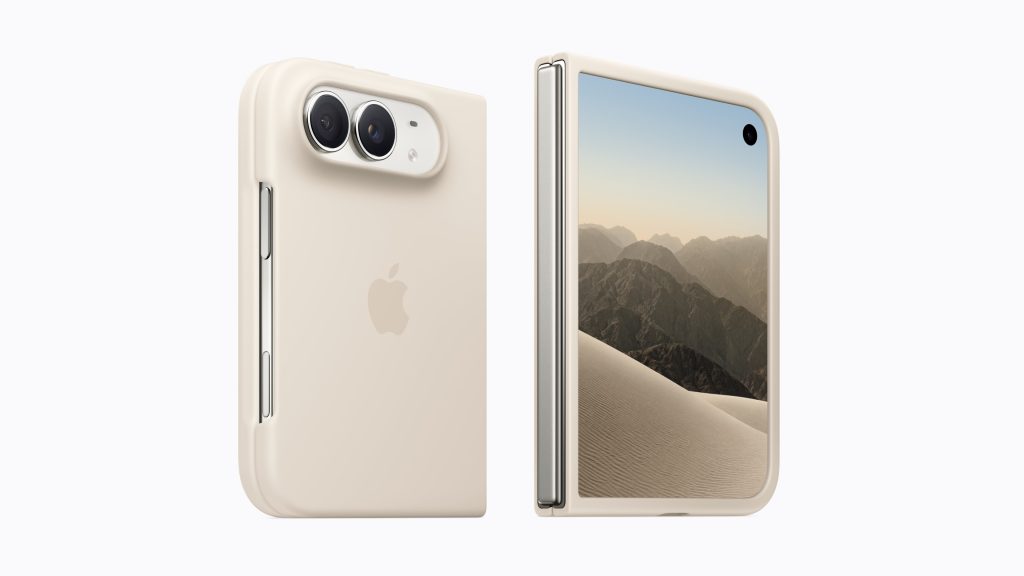
Come 2026 and Apple finally decides to bulldoze the market with its first flip phone. After months of anticipation, hype and expectation, the company has finally launched the Apple iPhone Duo. The first sign of Apple’s disruption was the fact that it moved away from a vertical clamshell flip phone, and introducing a book-style foldable design similar in size to a passport. The super smooth, super flexible device comes with a compact 5.4-inch external cover display that opens up into a massive 7.6-inch internal screen when unfolded. What stands out is the extremely thin yet rugged, durable form factor with a hinge mechanism that defies the rules of science. The re-imagined OS and best-in-class camera features, Apple’s entry into the flip market is expected to flip competitor fandom towards it.
The future of flip phones looks promising. It remains to be seen if they grow bigger, stay minimalistic or disappear altogether. Let’s wait and watch.