

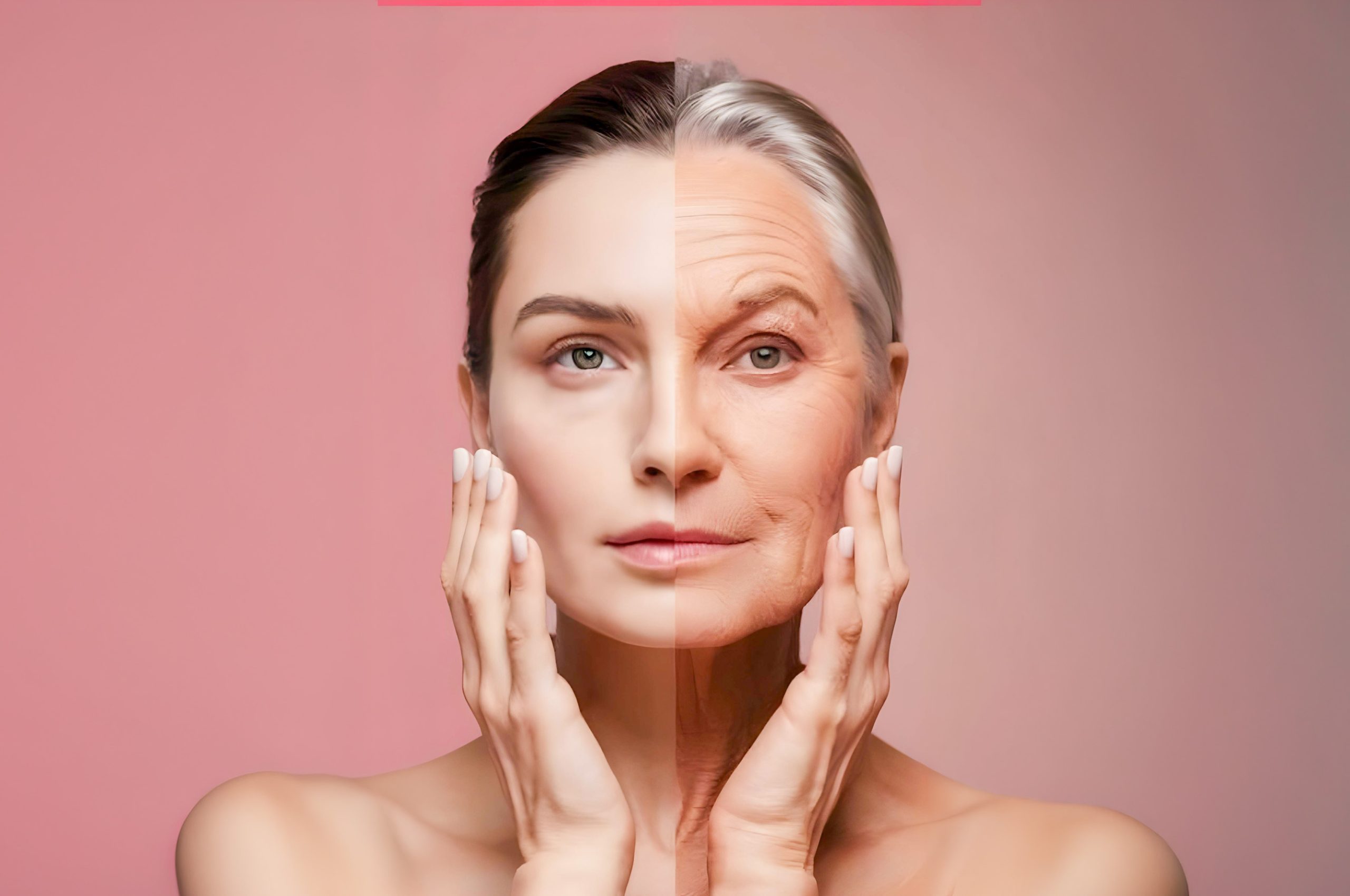
What if ageing was not simply about the number of years we have lived, but about how well our body is functioning during those years?
For a long time, healthcare has focused primarily on diagnosing and treating disease. Today, an exciting new conversation is emerging around longevity—not merely extending lifespan, but improving healthspan: the years we remain physically active, mentally sharp, metabolically healthy and independent.
This does not mean stopping ageing. Ageing is a natural biological process. The goal is to understand it better. And that is where the future of longevity medicine becomes fascinating.
Your age is more than a number
Two people can be the same chronological age but have very different levels of health and fitness.
A 45-year-old who exercises regularly, maintains good muscle mass, sleeps well and has healthy metabolic markers may have a very different health profile from another 45-year-old who is sedentary, sleep deprived, metabolically unhealthy and carrying excessive visceral fat.
This has led to increasing interest in the concept of biological age. Biological age attempts to describe aspects of how the body is functioning and ageing rather than simply counting the years since birth.
There is no single test that can tell us exactly how old our body is. Instead, the future of preventive healthcare may involve looking at a combination of biomarkers and lifestyle factors.
Your body has a story—and biomarkers help us read it
Some of the most valuable information about our health can come from tests that are already familiar. Blood pressure gives us information about cardiovascular health. Fasting glucose and HbA1c help us understand glucose regulation. Cholesterol and triglycerides provide insight into cardiovascular and metabolic risk. Liver and kidney markers help us monitor important organ functions. Nutritional markers can help identify deficiencies when clinically appropriate.
But longevity medicine may go further.
Body composition, muscle mass, muscle strength, waist circumference, sleep quality and physical activity are increasingly important parts of the bigger picture.
This is why simply watching the weighing scale may not be enough. A person’s weight can remain stable while muscle decreases and visceral fat increases. In longevity medicine, we increasingly need to ask:
“What is my body made of, and how well is it functioning?”
The NAD+ and NMN conversation
Few molecules have attracted as much attention in the longevity world as NAD+. Nicotinamide adenine dinucleotide, or NAD+, is naturally present in our cells and participates in essential cellular processes, including energy metabolism and cellular signalling. Then there is NMN—nicotinamide mononucleotide, a molecule involved in the biological pathway through which the body produces NAD+. This has generated considerable scientific and public interest. Could supporting NAD+ metabolism become part of future healthy-ageing strategies?
It is an exciting area of research. But we should not turn scientific interest into exaggerated promises. NAD+ and NMN should not be viewed as magic anti-ageing solutions. They are part of a much larger scientific discussion about cellular metabolism and ageing. The future may tell us much more.
And what about multivitamins?
We often think of vitamins as something we take only when we are deficient. But nutrition is fundamental to healthy ageing. Our bodies require vitamins and minerals for energy metabolism, neurological function, immunity, bone health, blood formation and countless biochemical reactions.
However, more is not always better.
Taking multiple supplements without understanding what the body actually needs may not provide additional benefit and, in some cases, excessive intake of certain nutrients can be harmful. The future of supplementation is therefore likely to become more personalised.
Instead of asking:
“Which multivitamin is the best?”
we may increasingly ask:
“What does my body actually need?”
That is a much better question.
Five longevity habits everyone can start
You do not need an expensive longevity program to start looking after your future health.
1. Build and protect muscle
Muscle is one of the most valuable forms of health insurance we have as we age. Resistance training can help maintain strength, mobility and functional independence. Don’t wait until your 60s to start thinking about muscle. Start building it earlier.
2. Make sleep a priority
Sleep is not a luxury. It is an essential part of physical and mental wellbeing. Consistent, restorative sleep should be considered one of the foundations of any longevity strategy.
3. Eat for your future
A longevity-friendly diet does not need to be complicated.
Think: More whole foods.
More vegetables.
Adequate protein.
Healthy fats.
Fruits, legumes, nuts and seeds. Less highly processed food. The best diet is not the one you follow for two weeks. It is the one you can maintain for years.
4. Know your metabolic numbers
Don’t wait for symptoms. Know your blood pressure, blood glucose, HbA1c, lipid profile and other relevant health markers. Your body can develop metabolic problems silently for years. Early awareness gives you an opportunity to act.
5. Don’t ignore your mental and social health
Longevity isn’t just about blood tests. Purpose, relationships, emotional wellbeing, intellectual stimulation and social connection are all important parts of living a fulfilling life. We don’t want to simply add years to life. We want to add life to those years.
The future may be your personal health dashboard
Imagine a future where your annual health assessment is not simply a routine blood test. Instead, you receive a personalised health dashboard showing trends in:
Metabolic health | Cardiovascular risk | Body composition | Muscle health | Nutritional status | Sleep | Physical activity | Selected biomarkers | Cognitive wellbeing
This could change preventive healthcare dramatically. Instead of waiting for disease to become obvious, doctors may increasingly identify risk patterns earlier and work with patients to modify them.
The future of medicine may therefore move from:
“You have a disease. Let’s treat it.”
towards:
“Let’s understand your risk before disease develops.”
But don’t become obsessed with your biological-age score
Biological-age testing is fascinating, but it should not become another source of anxiety. Different tests measure different biological characteristics. There is no single number that perfectly represents the age of your entire body. Your biological-age score should never replace a proper medical assessment.
The real question isn’t:
“Can I make my biological age five years younger?”
It is:
“Am I becoming healthier, stronger and more resilient?”
That is a much more meaningful goal.
Longevity is not a pill
The longevity industry is growing rapidly.
We will see more supplements, wearable technologies, biomarkers, personalised nutrition, cellular-ageing research and new therapeutic approaches. Some will prove useful. Some will require more research. And some will simply be marketing.
As doctors and consumers, we need to remain curious, but also cautious. NAD+, NMN, multivitamins and emerging longevity technologies may become increasingly relevant as research develops. But they should complement, not replace the fundamentals of health.
Move your body.
Build muscle.
Eat intelligently.
Sleep well.
Monitor your health.
Manage stress.
Maintain meaningful relationships.
And don’t wait until you become sick to start thinking about prevention.
Perhaps the real promise of longevity medicine is not immortality. It is something much more realistic and much more valuable:
More years of strength.
More years of independence.
More years of clarity.
More years of vitality. Because the ultimate goal is not simply to live longer. It is to live better for longer.
– Dr. Hemamalini Rajinikanth is a Clinical Cosmetologist & Permanent Makeup Professional CEO – Dr. Aesthetix International Cosmetic Clinic & FIA Academy.