

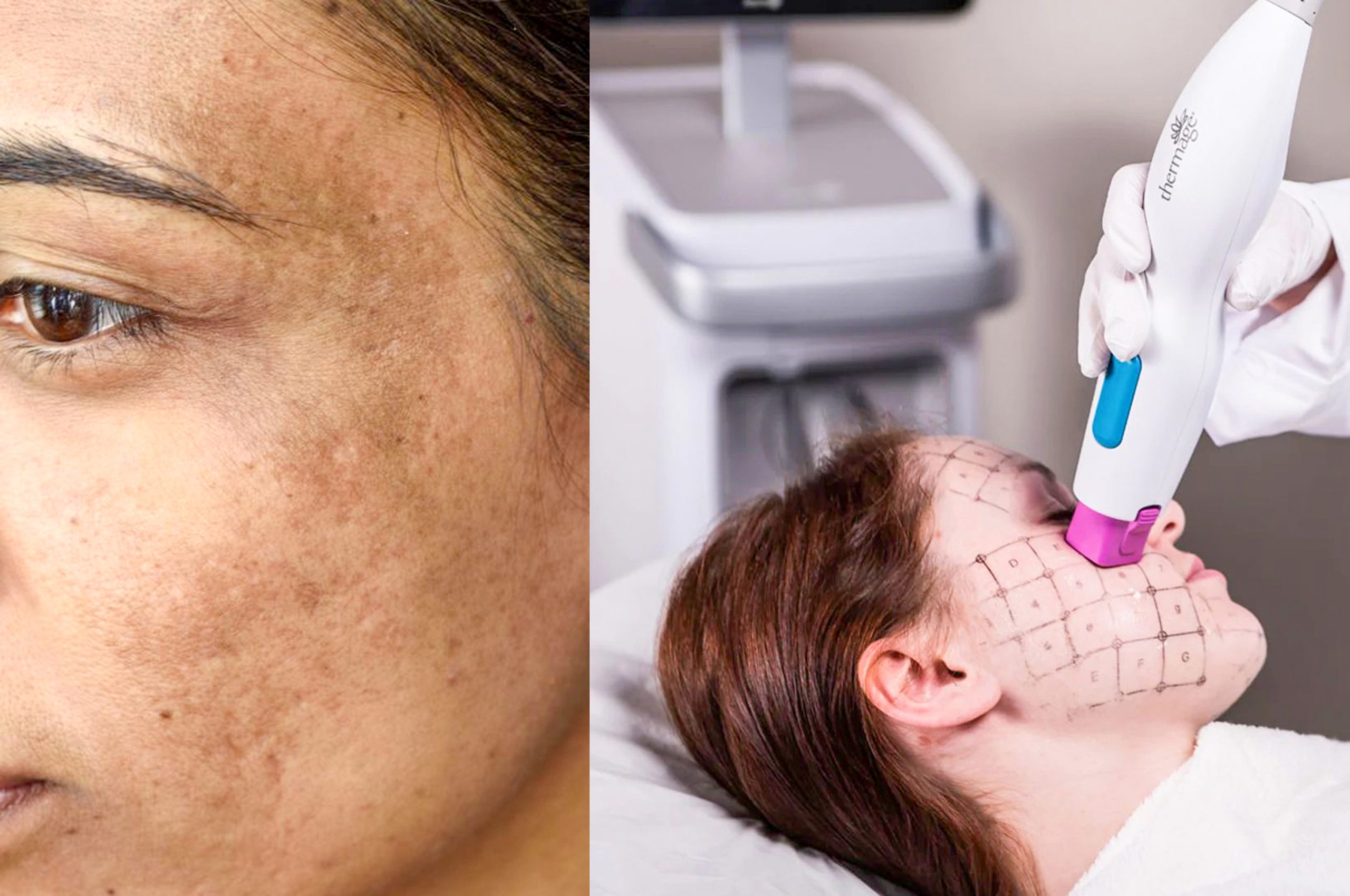
Motherhood is one of the most beautiful journeys in a woman’s life. Along with emotional joy and fulfillment, pregnancy and childbirth also bring major hormonal, physical, and emotional changes. After delivery, many women notice changes in their face, skin, body weight, and overall appearance.
Common concerns include:
• Facial dullness
• Pigmentation and melasma
• Puffy face
• Acne breakouts
• Hair fall
• Weight gain
• Facial tiredness
• Loss of skin glow
These changes are completely natural. However, they can affect confidence, emotional wellbeing, and self-image during the postpartum phase. Modern aesthetic medicine now focuses on helping women recover safely and naturally through non-invasive facial rejuvenation and medically supervised weight management. The goal is not perfection. The goal is helping women feel healthy, confident, refreshed, and comfortable in their own bodies
again.
PART 1: POSTPARTUM FACIAL AESTHETICS
Why Does the Face Change After Pregnancy?
During pregnancy, hormone levels rise significantly. After childbirth, these hormones suddenly drop, affecting:
• Skin texture
• Collagen production
• Oil balance
• Pigmentation
• Hydration
• Hair growth cycle
Lack of sleep, stress, breastfeeding, dehydration, and nutritional deficiencies can further impact
facial appearance.
Many women experience:
• Tired-looking skin
• Under-eye darkness
• Facial puffiness
• Dryness
• Acne
• Uneven skin tone
• Premature aging signs
1. Postpartum Pigmentation & Melasma
Melasma, also called the “mask of pregnancy,” is one of the most common postpartum skin concerns.
Common Areas Affected:
• Cheeks
• Forehead
• Upper lip
• Jawline
Causes:
• Hormonal changes
• Sun exposure
• Genetics
• Skin inflammation
Treatment Options:
• Medical-grade sunscreen
• Vitamin C serums
• Hydrating facials
• Chemical peels
• Laser toning
• Microneedling
• PRP therapy
Sun protection is the most important step in treating postpartum pigmentation.
2. Facial Dullness & Tired Appearance
After childbirth, many women feel their face looks “aged” or “drained.”
This happens due to:
• Sleep deprivation
• Stress
• Collagen reduction
• Dehydration
• Nutritional depletion
Common Signs:
• Loss of glow
• Hollow cheeks
• Fine lines
• Under-eye tiredness
• Uneven skin texture
Recommended Treatments:
• Hydrafacial
• Skin hydration therapy
• LED therapy
• PRP facial rejuvenation
• Skin boosters
• Collagen induction therapy
These treatments improve hydration, elasticity, and overall skin freshness.
3. Postpartum Acne & Sensitive Skin
Hormonal imbalance after delivery may trigger acne and inflammation.
Contributing Factors:
• Increased stress hormones
• Oil imbalance
• Poor sleep
• Emotional stress
• Hormonal fluctuation
Treatment Approach:
• Gentle skincare
• Anti-inflammatory facials
• Medical acne treatments
• Barrier repair therapy
• Hydration support
Overaggressive treatments should be avoided during the early postpartum phase.
4. Hair Fall & Hair Thinning
Postpartum hair loss is extremely common and usually starts 3–4 months after delivery.
Why Does It Happen?
During pregnancy, hormones prolong the hair growth phase. After delivery, sudden hormonal
changes cause excessive shedding.
Common Concerns:
• Hair thinning
• Reduced density
• Frontal hairline thinning
• Weak hair texture
Treatment Options:
• PRP scalp therapy
• Growth factor therapy
• Nutritional supplementation
• Iron correction
• Mesotherapy
• Scalp stimulation treatments With proper care, most women gradually regain healthy hair growth.
5. Non-Surgical Facial Rejuvenation
Modern postpartum facial aesthetics focuses on natural-looking results with minimal downtime.
Popular Treatments Include:
• Hydrafacial
• Microneedling
• RF microneedling
• PRP therapy
• Skin boosters
• Laser rejuvenation
• Injectable hydration treatments
These procedures help improve:
• Skin quality
• Glow
• Elasticity
• Fine lines
• Texture
• Facial freshness
Part 2: Postpartum Weight Gain Management
Why Does Weight Gain Happen After Pregnancy?
Weight retention after delivery is very common and influenced by multiple factors.
Causes Include:
• Hormonal imbalance
• Reduced physical activity
• Sleep deprivation
• Emotional stress
• Increased cortisol levels
• Insulin resistance
• Emotional eating
• Metabolic slowdown
Weight gain commonly affects:
• Abdomen
• Thighs
• Arms
• Flanks
• Face
• Lower back
Every woman’s recovery journey is different, and healthy recovery should always come before
rapid weight loss.
Importance of Healthy Weight Recovery postpartum women often face pressure to “bounce back” quickly. However, extreme dieting can negatively affect:
• Hormones
• Energy levels
• Breastfeeding
• Hair health
• Emotional wellbeing
Healthy postpartum recovery should focus on:
• Strength
• Metabolism
• Nutrition
• Hormonal balance
• Sustainable fat loss
1. Nutritional Rehabilitation
Many postpartum women experience nutritional depletion after childbirth.
Common Deficiencies:
• Iron
• Protein
• Vitamin D
• B12
• Calcium
Recommended Nutrition Focus:
• High-protein diet
• Fiber-rich foods
• Hydration
• Micronutrient support
• Balanced calorie intake
Crash diets should always be avoided.
2. Non-Surgical Fat Reduction Treatments
Modern aesthetic medicine offers safe body contouring options for postpartum women.
Popular Treatments:
Cryolipolysis
Uses controlled cooling to reduce fat cells.
Radiofrequency Body Tightening
Improves:
• Skin laxity
• Mild fat deposits
• Cellulite
• Loose abdominal skin
Electromagnetic Muscle Stimulation
Helps improve:
• Muscle tone
• Core strength
• Abdominal firmness
These treatments work best when combined with exercise and nutrition.
3. Medical Weight Loss Management
For selected patients, medically supervised weight management may include:
• Hormonal assessment
• Metabolic evaluation
• Nutrition counseling
• Lifestyle modification
• Physician-guided medications
GLP-1 medications such as semaglutide and tirzepatide are increasingly used in obesity management under proper medical supervision.
These medications may help:
• Appetite control
• Weight reduction
• Improved insulin sensitivity
• Metabolic health improvement
However, they should only be used after proper consultation and assessment.
Emotional Wellbeing Matters
Postpartum appearance changes are not just physical—they also affect emotional health and confidence.
Many women silently struggle with:
• Low self-esteem
• Social withdrawal
• Anxiety about appearance
• Emotional exhaustion
• Loss of confidence
As aesthetic professionals, our responsibility is not to create unrealistic beauty standards.
Our goal is to support women with:
• Compassion
• Safe treatments
• Realistic expectations
• Emotional support
• Scientific care
Conclusion
Postpartum facial aesthetics and weight management are important aspects of modern women’s wellness and recovery.
With safe, evidence-based, and personalized care, women can improve:
• Skin health
• Facial rejuvenation
• Hair quality
• Body confidence
• Overall wellbeing
Motherhood changes a woman beautifully—but every mother also deserves care, confidence, and support for herself. True postpartum aesthetics is not about changing who a woman is. It is about helping her reconnect with herself again.
– Dr. Hemamalini Rajinikanth is a
Clinical Cosmetologist & Permanent Makeup Professional CEO – Dr. Aesthetix International Cosmetic Clinic & FIA Academy.