

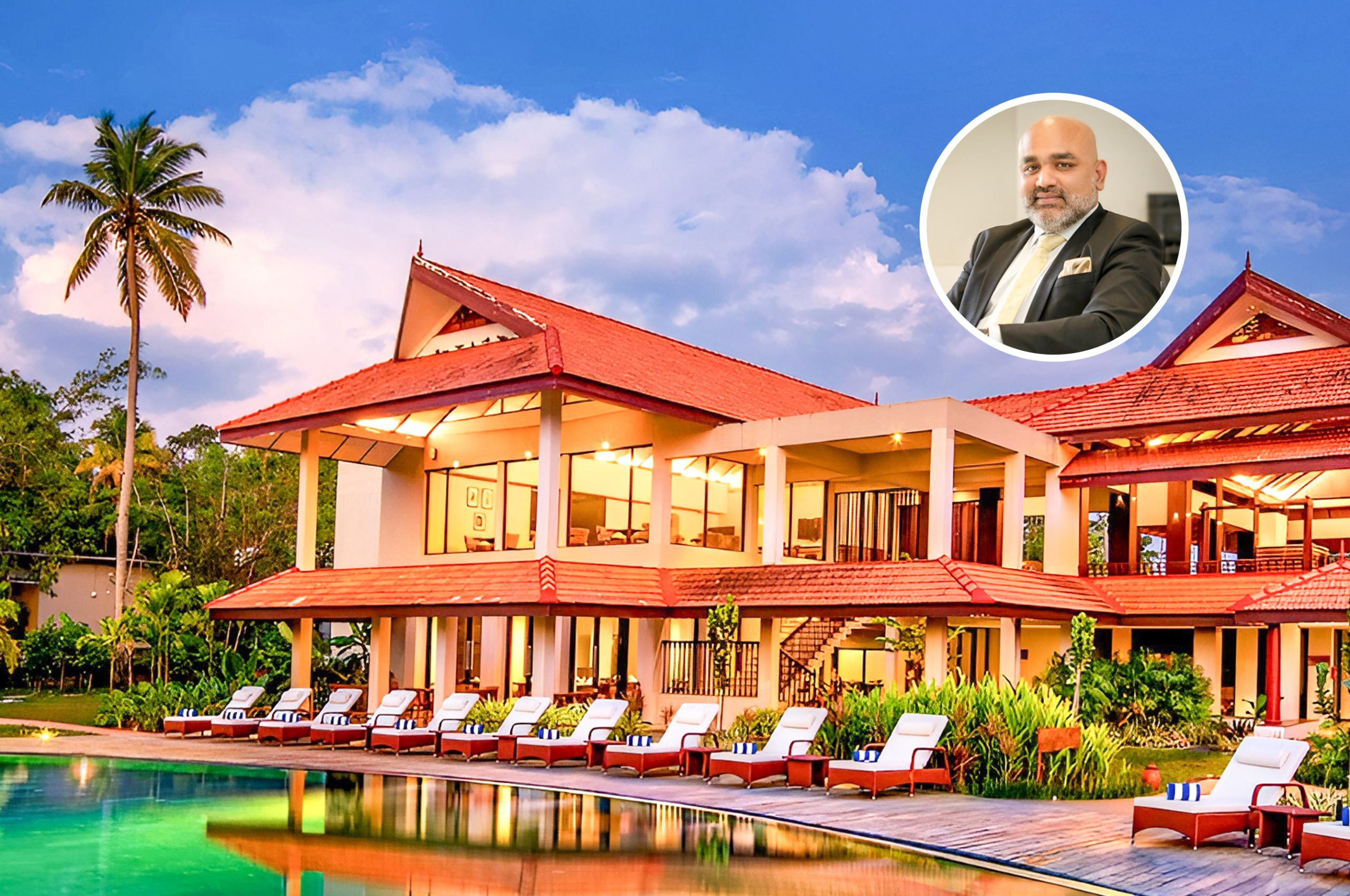
The Chief Executive Officer of Niraamaya Retreats, Allen Machado is an award-winning hospitality and business enthusiast at the helm of affairs with Niraamaya Life. Niraamaya’s origins date back to 1982 when former IIT Madras professor Klaus Schleusener discovered a scenic promontory and, with Swiss architect Karl Damschen, built the Octagon House, preserving Kerala’s architectural heritage. The site later expanded with restored traditional Kerala Houses (tharawads), forming the foundation of Niraamaya Surya Samudra. Acquired by Jupiter Capital Ventures in 2007 and rebranded as Niraamaya Retreats in 2012, the brand has since expanded across India, offering Ayurveda-based wellness and sustainable luxury. Today, Niraamaya boasts seven retreats and five private residences, continuing its legacy of holistic hospitality. Niraamaya has been recognised with numerous accolades for its excellence in wellness and hospitality. In 2015, Niraamaya Retreats Surya Samudra joined the prestigious Relais & Châteaux, an esteemed fellowship of individually owned and operated luxury hotels and restaurants.
What sets Niraamaya Wellness Retreats apart from the others in the wellness space?
Niraamaya Wellness Retreats is built on the belief that wellness is a personal and ongoing journey, not a standalone service. The brand brings together luxury, authentic Ayurveda, and holistic therapies in natural surroundings that support rest and healing. Every retreat is designed to help guests disconnect meaningfully and reconnect with themselves. Our guidance continues even after their stay, reinforcing the philosophy that wellness is a long-term lifestyle commitment.
How would you describe your commendable journey in hospitality?
My career spans close to three decades across leading hospitality brands including The Oberoi Group, InterContinental Hotels, Taj Hotels, One&Only Resorts, and Graviss Hospitality. The experience has been shaped by diverse operational responsibilities, from launching new hotels to driving organisational transformation. What has remained consistent is my belief in team-based leadership, people-driven culture, and the emotional value of hospitality. Leading Niraamaya has been a significant milestone, where purpose and luxury coexist meaningfully.
What challenges have you encountered, and how did you address them?
One of the key challenges is evolving guest expectations. Today’s traveller seeks personal relevance, emotional depth, and sustainable choices. To meet these expectations responsibly, we have continued to innovate while staying true to authentic Ayurveda and traditional healing frameworks. Sustainability is another ongoing challenge. We are committed to reducing environmental impact, advancing responsible operations, and working closely with local communities to ensure long-term positive contribution.
What is the most pressing issue facing the industry today?
Sustainability remains the most critical focus area. Modern travellers expect transparency, accountability, and conscious choices. Responsible luxury is no longer optional, it is essential. The future of hospitality depends on operations that support the environment, local culture, and community ecosystems.
What is your work mantra and how would you like to define your core working philosophy?
Trust, clarity, and accountability guide my leadership approach. I believe in empowering teams, offering direction where required, and fostering an environment where people can grow confidently. Meaningful purpose and measurable performance must work together. Balance is central to my philosophy. Wellness must be reflected not only in the guest experience but also in workplace culture. When individuals are rested and aligned, their quality of work and ability to serve with empathy naturally strengthen.
What are your future plans?
As a leading luxury wellness brand in India, our goal is to make authentic, transformative wellness accessible to more guests across the world. Currently, we are present in Kerala, Karnataka, Nagaland, Goa and Seychelles. India remains a strong focus, with expansion planned in North India and Internationally, South East Asia, Sri Lanka, Nepal, and Bhutan are key markets of interest due to their deep-rooted wellness heritage and landscape suitability.