

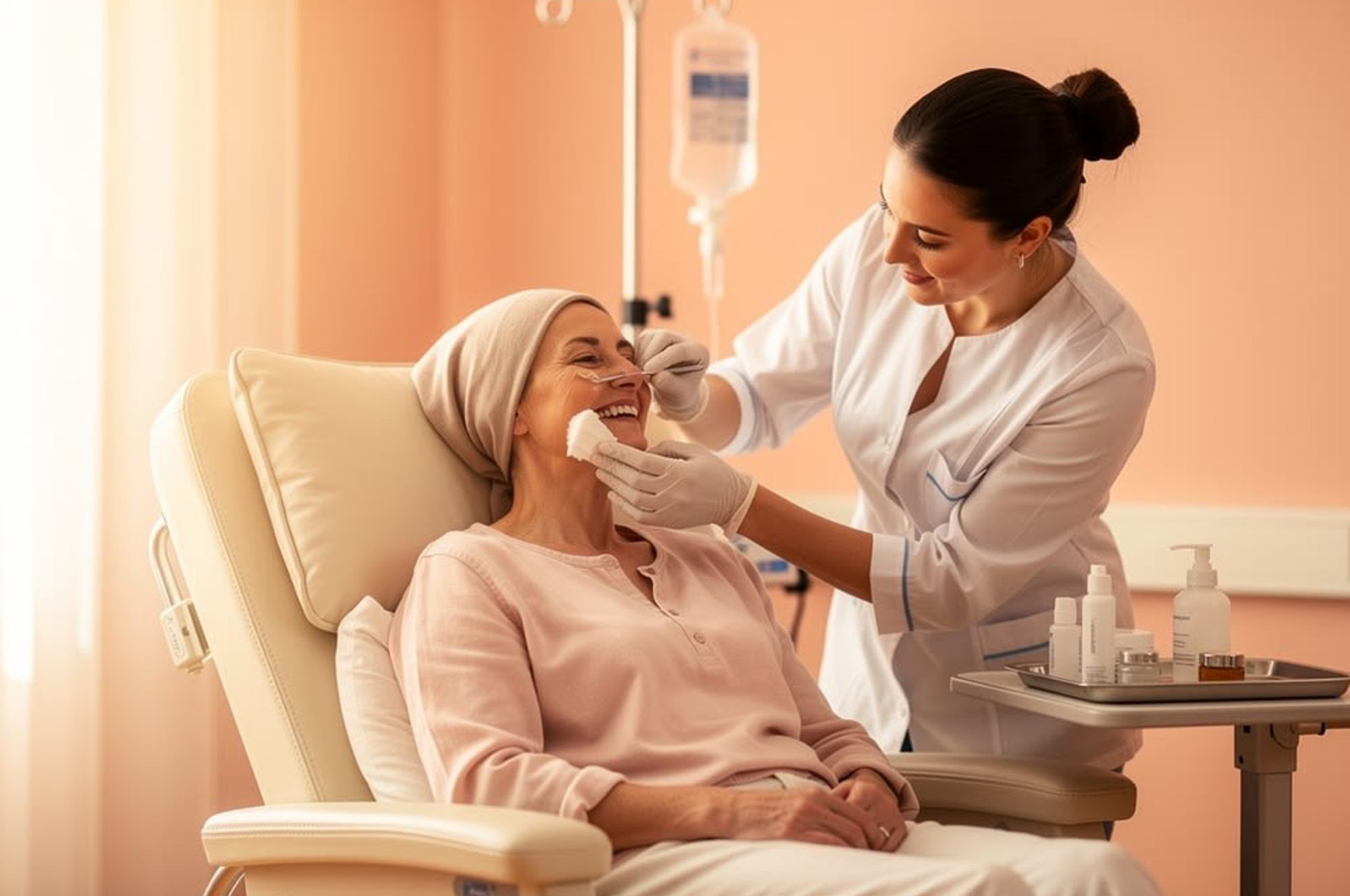
Cancer treatment has evolved dramatically over the past few decades. Medical breakthroughs have significantly improved survival rates, allowing millions of people worldwide to live longer, healthier lives after diagnosis. Yet, while oncology has focused on saving lives, another equally important aspect of recovery is gaining recognition—helping survivors regain their confidence, dignity, and quality of life.
This is where Oncology Aesthetics is transforming patient care. For many, cancer is not only a physical illness but an emotional journey. Chemotherapy, radiation therapy, targeted treatments, immunotherapy, and surgery often leave visible changes that extend far beyond the disease itself. Hair loss, sensitive skin, pigmentation, surgical scars, eyebrow loss, dry skin, brittle nails, and facial changes become daily reminders of the battle fought.
These changes can affect self-esteem, relationships, professional life, and mental well-being. Oncology aesthetics is not about beauty in the conventional sense. It is about healing, compassion, and restoring identity.
Beyond Skin Deep
The skin is the body’s largest organ and one of the first areas affected during cancer treatment. Patients commonly experience extreme dryness, inflammation, redness, itching, increased sensitivity, hyperpigmentation, and delayed wound healing.
Conventional beauty treatments are often unsuitable during or immediately after treatment because compromised skin requires specialized care. Products containing harsh fragrances, acids, or active ingredients may worsen irritation rather than provide relief. Oncology aesthetics bridges the gap between dermatological science and supportive cancer care. It focuses on evidence-based, gentle protocols specifically designed for individuals undergoing or recovering from cancer treatment.
Every treatment begins with understanding the patient’s medical history, oncology team’s recommendations, current medications, and skin condition. Safety always comes before aesthetics.
Healing Confidence
One of the greatest misconceptions is that oncology aesthetics is about looking attractive. In reality, it is about helping patients recognise themselves again. Imagine looking into the mirror after months of chemotherapy and seeing missing eyebrows, uneven skin tone, or surgical scars. These visible reminders often carry emotional weight.
Simple interventions such as hydration-focused facials, scar management, camouflage makeup education, scalp care, permanent eyebrow restoration after medical clearance, and skin barrier repair can significantly improve emotional well-being. When patients feel comfortable attending social events, returning to work, or simply smiling at their reflection, aesthetics becomes a form of emotional rehabilitation. Confidence itself becomes part of recovery.
The Science Behind Compassion
Modern oncology aesthetics combines knowledge from clinical cosmetology, dermatology, wound healing, infection control, and cosmetic science. Professionals trained in this specialty understand contraindications, treatment timing, infection prevention, lymphatic considerations, radiation-induced skin changes, and post-surgical care.
Every product selected is chosen with safety in mind. Ingredients that strengthen the skin barrier, reduce inflammation, maintain hydration, and support recovery are prioritized over aggressive anti-aging treatments. The philosophy shifts from transformation to restoration.
Permanent Makeup in Oncology
Among the most meaningful developments is the use of medical permanent makeup after oncology treatment. Following complete medical clearance from the treating oncologist, procedures such as eyebrow micropigmentation can restore facial symmetry for individuals who have experienced permanent hair loss.
Similarly, areola restoration after breast reconstruction has become an important component of post-mastectomy rehabilitation, helping many women regain a sense of wholeness after breast cancer surgery. These procedures are never cosmetic shortcuts; they represent carefully planned restorative interventions performed only when medically appropriate.
The Importance of Multidisciplinary Care
The future of oncology care lies in collaboration. Oncologists, dermatologists, plastic surgeons, psychologists, nutritionists, physiotherapists, lymphoedema specialists, and oncology aestheticians each contribute unique expertise to the patient’s recovery.
When healthcare professionals work together, patient outcomes improve not only medically but emotionally and socially. Supportive care should never be viewed as an optional luxury. It is an essential component of holistic medicine.
Education Matters
As oncology aesthetics grows globally, professional education becomes increasingly important. Unfortunately, the industry has also seen individuals offering services without adequate medical understanding.
Cancer survivors deserve practitioners who understand treatment side effects, contraindications, infection risks, wound healing principles, and ethical boundaries. Specialised education ensures that practitioners know when to treat, when to postpone treatment, and when to refer patients back to their medical team. Safety cannot be compromised.
The Future of Oncology Aesthetics
With advances in regenerative medicine, biotechnology, and personalized skincare, oncology aesthetics is entering a new era. Researchers continue exploring products that improve skin barrier recovery, reduce radiation-induced skin damage, enhance scar remodelling, and improve overall quality of life.
Artificial intelligence may soon help personalize skincare recommendations based on treatment history, genetic predisposition, and skin response. At the same time, greater awareness among hospitals and cancer centres is encouraging the integration of supportive aesthetic care into survivorship programs. The future is no longer focused solely on survival. It is focused on living well after survival.
A Message of Hope
Cancer changes lives, but it should not define them. Every scar tells a story of courage. Every patient deserves to feel confident, respected, and supported throughout their journey. Oncology aesthetics reminds us that healing extends beyond surgery, chemotherapy, or radiation. It includes restoring confidence, rebuilding identity, and helping individuals embrace life again with dignity.
As healthcare continues to evolve, we must remember that medicine is not only about treating disease, it is about caring for people. When science meets compassion, healing becomes complete. Because true recovery is not measured only by remission. It is measured by the confidence to smile again.
– Dr. Hemamalini Rajinikanth is a
Clinical Cosmetologist & Permanent Makeup Professional CEO – Dr. Aesthetix International Cosmetic Clinic & FIA Academy.