


I couldn’t watch Homebound on the big screen like many others in the country. And how do I know that? When you see a lot of social media posts praising a film after its OTT release, you can conclude that many didn’t show up to the theatres.
Anyway, let’s begin with why this film piqued my interest. A few weeks ago, there were several memes about how Dharma Productions was grappling with a comeback. It was for Homebound. The memes stated that Karan Johar wouldn’t bankroll a film with a social message after this box office disaster.
I didn’t really feel like investigating the film after the production house’s caricaturesque remake of Mari Selvaraj’s Pariyerum Perumal. That was it. Moved on. A few weeks later, a shaky video clip from an audience perspective dropped on X. It was the MARTIN SCORSESE. He was interviewing the Homebound director, Neeraj Ghaywan, at a special screening.
Yes, the master filmmaker was creatively involved in the film right from pre-production. Scorsese took up the executive producer’s role and mentored the crew throughout the process.
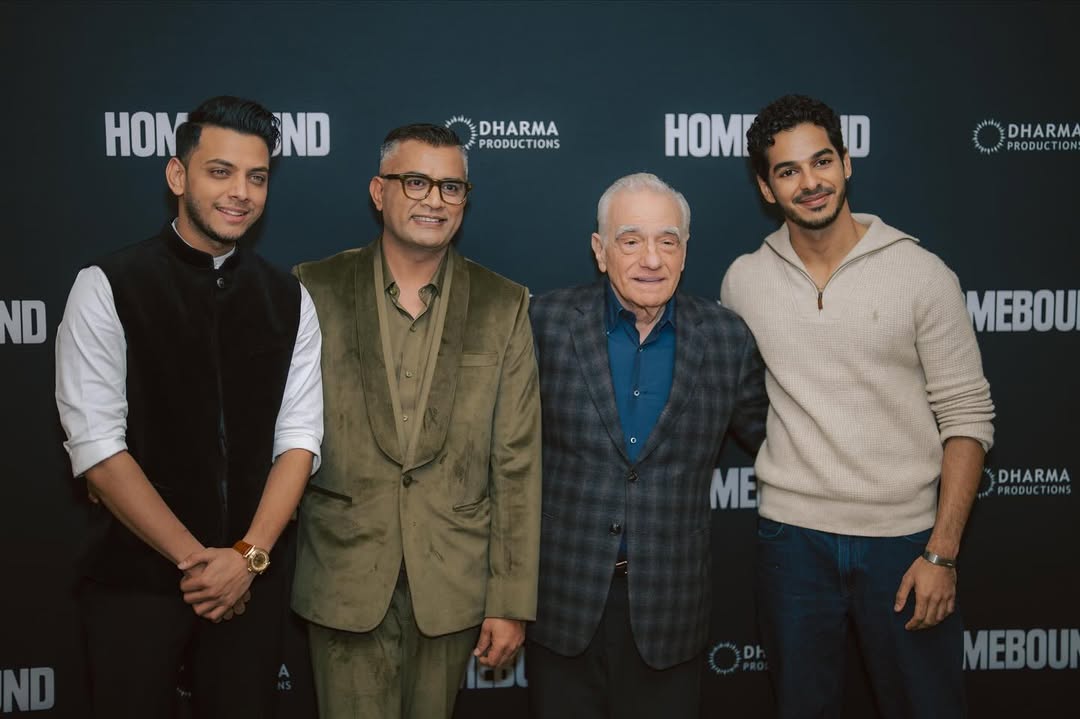
Above all, the clip had something even more legendary. The 83-year-old star was trying to understand caste from Ghaywan. Notably, Scorsese asked it himself. The visibly star-struck director, who didn’t want to sound too victim-y, consciously resorted to a superficial explanation.
Firstly, he took Shakesphere’s famous phrase ‘What’s in a name?’ and stressed how the surname plays a crucial role in a lot of things in India. A Crafty and Americanish explanation indeed. Secondly, he drew a parallel between social distancing and untouchability. While India has legally abolished untouchability, it’s still in practice and has taken multiple forms.
View this post on Instagram
Moreover, Neeraj Ghaywan didn’t just draw the parallel during his conversation with Scorsese but also picturised it in the film as well. In a scene set during the acute stage of the COVID-19 lockdown. A small cough could leave you ostracized. One of the protagonists, a Dalit suffering from dehydration and heat stroke, extends his arms to drink water. Not from a pipe or a bottle, but from a woman who had the courage to step out of her house and pour water out of a jug at a safe distance. A true cinematic brilliance.
This film is about two friends, Chandan Kumar and Mohammed Shoaib Ali, who are on the run to fight their own family’s tough economic condition. They could have had multiple ways to fix it, but they decided to get on a path that would fetch them respect and dignity. They wrote the competitive exam to become a police constable right after high school.
The text may seem simple, but the image refuses to let you move past it so easily. In the film’s opening scene, the duo rushes into a railway station to catch a train for their competitive exam. They make it on time, only to be greeted by a sight that leaves them stunned. The platform was filled with students waiting for the same train. The exhausted look tells a thousand tales about the state of Indian youth and the historical yearning of a community.
Jyoti Nisha, a documentary filmmaker known for her stance on the Bahujan gaze in films, is speaking to us about films involving Dalit narratives said, “Bollywood’s attempts, like Dhadak, feel gimmicky and voyeuristic, lacking lived experience and community involvement. Authentic stories like Sairat (Nagaraj Manjule) or Pariyerum Perumal carry weight because they come from within.”
We can confidently say that Neeraj Ghaywan has convincingly crossed that hurdle, portraying a Dalit’s life without a touch of voyeurism. Meanwhile, the director also took up the job to reflect something else on the silver screen that has hardly been discussed in the dream factory lately. Islamophobia.

Ishan Khattar, who played Shoaib, convincingly portrayed a relentless muslim young man who goes through a lot that a section of the community can heavily relate to. From submitting Aadhar Cards of family members to a suspicious superior at work to a situation where one is forced to prove their patriotism after India loses a cricket match against Pakistan.
These elements may have filled the screenplay, but on a surface level, this is a story of brotherhood and friendship. An emotional one. At the end of the film, it also turns into a survival thriller, once again reflecting the events of the great migrant march during the lockdown.
Neeraj Ghaywan made sure that he wasn’t making films to preach but also to present an engaging flick. Also, it’s a lesson for the audience to witness such films when they’re on the big screen. So, the producers make more of such films.