


It has been my routine to send the link of whatever article I write to my friend, Akshara, a journalist from Bengaluru. Last night, I sent him my review of the amazing film, Homebound. He said he would read it, and I went on about how Martin Scorsese was creatively involved in the film.
He casually acknowledged it and said, “I don’t understand why no one is talking about ‘him’?” After a volley of enquiries, I realized that I hadn’t addressed the most interesting and crucial information in my review.
It was about one of the film’s writing contributors, Basharat Peer. In fact, without him, the film wouldn’t have been possible. I knew that the film was based on a true story, but didn’t know it originated from a 2020 NY Times article. Yes, I failed as a film journalist and as a film viewer. Anyway, let’s move on.
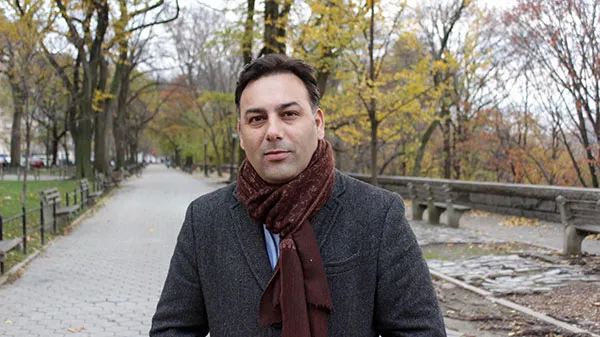
Before reading the NY Times article, I came to know that Peer had a similar connection to another important film in Indian cinema, Haider (2014). The 47-year-old’s acclaimed memoir Curfewed Night created an important discussion on the Kashmir youth and eventually found the cinematic form in Vishal Bhardwaj’s lens, which he co-wrote as well. This particular piece of information made me look at him from a different perspective. A low-angle elevation shot. The Shahid Kapoor starrer may have been released in a crucial year of Indian politics, but you cannot make that film now. You all know why; if you don’t know, read about it.
Now, the NY Times article. ‘A Friendship, a Pandemic and a Death Beside the Highway’, published in 2020, spoke about the bone-chilling story of a 22-year-old muslim youth, Saiyub, who carried his dead Dalit friend Amrit to their hometown in the backdrop of the great migrant march during the pandemic lockdown.
Everything started with a grainy photograph that circulated during the lockdown. I will save you from mediocrity and let you read how Peer described the picture himself:
‘Somebody took a photograph on the side of a highway in India.
On a clearing of baked earth, a lithe, athletic man holds his friend in his lap. A red bag and a half-empty bottle of water are at his side. The first man is leaning over his friend like a canopy, his face is anxious and his eyes searching his friend’s face for signs of life.’
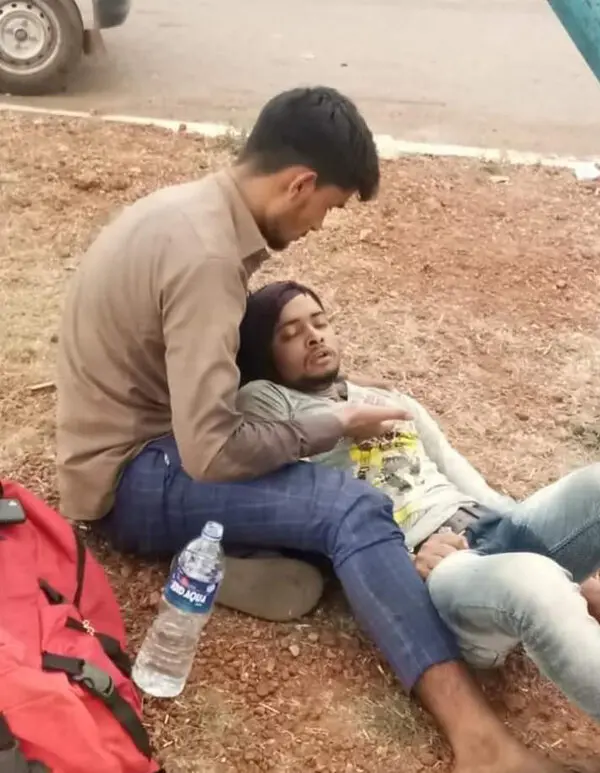
[Contd.] ‘The friend is small and wiry, in a light green T-shirt and a faded pair of jeans. He is sick, and seems barely conscious. His hair is soaked and sticking to his scalp, a sparse stubble accentuates the deathlike pallor of his face, his eyes are closed, and his darkened lips are half parted. The lid of the water bottle is open. His friend’s cupped hand is about to pour some water on his feverish, dehydrated lips.’
For those who watched Homebound, this particular moment is a painful scene to watch. It will make you sad, angry at the system, and finally, helpless. Thanks to Neeraj Ghaywan for poetically capturing it and putting us through a rollercoaster ride.
Okay, let me control my emotions, back to the photograph.
Basharat Peer couldn’t move on from the photo and went on a quest to find out more about it. At that time, he was an International Opinion Editor for The New York Times and decided to bring the story to light. He hit the ground despite the rising COVID cases in the country and met Saiyub and his family members.
The article was an important story of brotherhood because of the identities of the individuals involved, given the political climate of the country. Yes, Peer didn’t mince words on his criticism of the government. He highlighted the prejudice, sexism, hate speech, and violence against women and minorities, which made the article hard-hitting.
Moreover, Basharat didn’t stop there. He reached out to Dharma Productions through one of his journalist friends, and the studio promised to rope in Neeraj Ghaywan. From there, the story took off, and yes, Martin Scorsese entered the project as the executive producer.
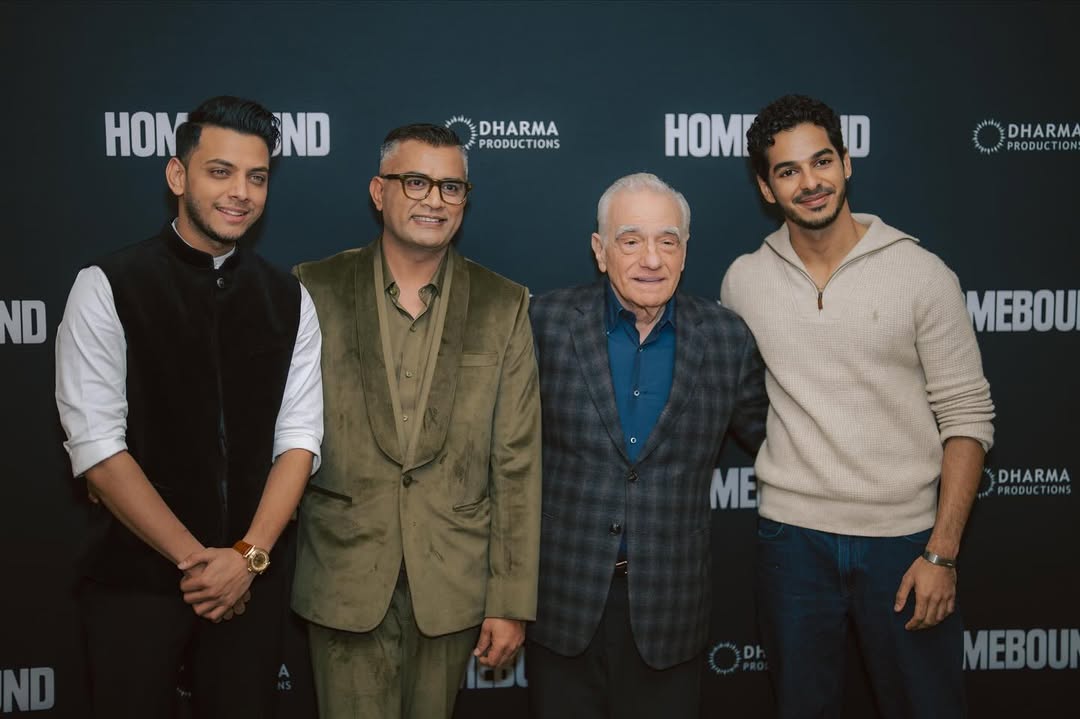
No disrespect to Ghaywan, he brought the story out in a deeply emotional format, but it was Basharat Peer who had the childlike adamancy to tell the story to the world. Yet, he isn’t crowned like the director.
This brings us to another important question: Are the screenwriters getting their due credits? Well, it’s a big topic in itself. This conversation will continue! Stay Tuned.